

Skip to content
Saudi German Hospital, Al Barsha 3, Dubai

Anal Fistula Surgery in Dubai

Living with the persistent discomfort, pain, and inconvenience caused by fistulas and anal abscesses can be an excruciating journey. These often-overlooked medical conditions can disrupt daily life, making even the most routine tasks a challenge. For those grappling with the challenges that come with these conditions, seeking answers and effective anal fistula treatment in Dubai becomes a pressing need.

Anal Fistula Surgery in Dubai Anal Fistula Surgery in Dubai
SpecialtyColorectal Surgery
ApproachMinimally invasive
AnaestheticGeneral
Hospital stayDay surgery / short stay
Back to work1–2 weeks
Area treatedAnal canal & perianal area

Overview of Fistula and Anal Abscess

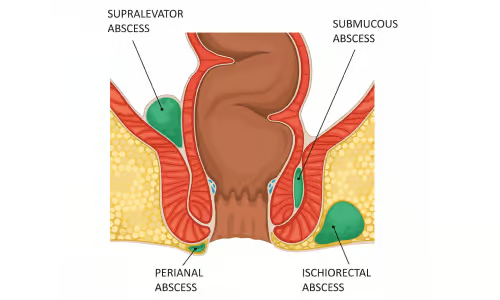
An anal abscess is a painful, swollen area near the anus or rectum, typically filled with pus. It often develops when an anal gland becomes infected. It differs from a pilonidal sinus, which forms higher up in the natal cleft.

An anal fistula is an abnormal tunnel connecting the anal canal to the skin near the anus. It can develop after an anal abscess when a passage remains between the internal canal and the skin. A proportion of anal abscesses lead to a fistula. Crohn’s disease is another possible cause, although most anal fistulas are associated with infected anal glands.

Treatment depends on whether an abscess, an established fistula, or both are present. An abscess usually requires prompt drainage, while an established fistula may need further treatment to address the tract.

Symptoms of Anal Fistula and Abscess

The symptoms of a fistula can significantly impact daily comfort and lifestyle. Some overlap with an anal fissure or hemorrhoids, so an examination is needed to confirm the cause. Symptoms can vary depending on the location and complexity of the fistula or abscess. Common signs include:

  • Anal or perianal pain
  • Discomfort around the anus
  • Drainage of pus or blood from an opening near the anus
  • Swelling or redness around the anus
  • Skin irritation or itching around the affected area
  • Recurring swelling that may improve after drainage
  • Pain that may worsen when sitting or during bowel movements

Anal Fistula Treatment in Dubai

Treatment depends on the fistula's location, the amount of sphincter muscle involved, whether an abscess is present, and the patient's overall health. The goal is to address the infection and fistula while considering the risk of changes in bowel control.

Non- Surgical & Surgical Treatment Preferred

Non- Surgical & Surgical Treatment

Non-Surgical Management

Observation may suit selected cases. Crohn’s-related fistulas may require medication to control inflammation alongside drainage or seton placement. Medical treatment alone may not close the fistula tract.

Surgical Intervention

Surgery may be advised for persistent drainage or recurrent infection. The procedure depends on tract anatomy and sphincter involvement. Closure is not guaranteed, and recurrence or continence changes may occur.

Discuss this option


Surgical Procedures for Anal Fistula

Fistulotomy

Fistulotomy

Fistulotomy opens the fistula tract to heal from the inside out. It may suit simple, low fistulas, but sphincter involvement must be assessed to limit the risk of impaired bowel control.

Loose Seton Placement

Loose Seton Placement

A loose seton maintains drainage through the fistula tract. It may help control infection in complex fistulas and serve as a temporary measure before further treatment or for longer-term drainage.

Advancement Flap Procedure

Advancement Flap Procedure

An advancement flap covers the internal fistula opening using healthy tissue from the anal or rectal canal. It may suit selected complex fistulas, but recurrence and continence changes remain possible.

LIFT Procedure

LIFT Procedure

LIFT involves ligating and dividing the fistula tract between the sphincter muscles. It aims to treat selected fistulas while preserving muscle function, although healing varies and recurrence remains possible.

Laser Fistula Closure (FiLaC)

Laser Fistula Closure (FiLaC)

FiLaC uses a laser fibre inside the fistula tract to treat it without deliberately cutting the sphincter muscles. Suitability varies, and recurrence or further procedures may still occur.

Video-Assisted Anal Fistula Treatment (VAAFT)

Video-Assisted Anal Fistula Treatment (VAAFT)

VAAFT uses a small scope to inspect the fistula tract, locate its internal opening and identify secondary passages. It may suit selected cases but cannot guarantee closure or prevent recurrence.

Anal Fistula Treatment in Dubai with Dr. Daniel Serralta

Dr. Daniel Serralta is a Consultant General Surgeon. His assessment can help determine the type of anal fistula, whether an abscess is present, and which treatment options may be appropriate based on the tract’s anatomy, sphincter involvement, previous procedures, and associated conditions such as Crohn’s disease.

  • Clinical Assessment: Review of symptoms, medical history, fistula anatomy, and associated conditions to determine appropriate management.
  • Abscess Drainage: An abscess may require drainage to control infection before further fistula treatment.
  • Surgical Approach: Options may include fistulotomy for selected low fistulas, seton placement, or other procedures based on sphincter involvement.
  • Treatment Planning: The approach aims to address the fistula while considering the risk of changes in bowel control.
  • Recovery and Follow-Up: Wound care, recovery guidance, and follow-up depend on the procedure, fistula complexity, and individual healing.

Ready to take the next step?

Book a confidential consultation and get a clear, honest plan for your condition.

Aftercare

Aftercare, Recovery & Risk Considerations of Anal Fistula Treatment in Dubai

Recovery depends on the procedure, fistula complexity and individual healing. Discuss procedure-specific risks, benefits and alternatives with your surgeon. Follow your surgical team’s instructions for wound care, bowel care, pain management and follow-up. 

  • Wound Care: Keep the area clean and manage dressings as advised.
  • Activity: Resume normal activities gradually.
  • Follow-Up: Attend appointments to monitor healing.
  • Risks: Recurrence, infection, bleeding, delayed healing, persistent drainage or changes in bowel control may occur.
  • Warning Signs: Seek medical advice for fever, worsening pain, swelling, heavy bleeding, difficulty urinating or concerns about bowel control.
Book Your Appointment

Reach out for a private consultation

Prompt, confidential appointments at Saudi German Hospital, Dubai. Reach out however you feel most comfortable.

Call or WhatsApp+971 56 805 4323
ClinicSaudi German Hospital, Hessa Street 331, West Al Barsha 3, Exit 36 Sheikh Zayed Road (opposite the American School), Dubai
Consultation hoursMon–Fri: 8 am – 4 pm · Sat & Sun: Closed
LanguagesEnglish · Spanish · French · Arabic

Urgent medical inquiries? Call +971 56 805 4323 or send a message on WhatsApp for quick coordination.

Request a Consultation

Fill in your details and the clinic will contact you to confirm.


    Your information is private and confidential.

    Saudi German HospitalHessa Street 331, West Al Barsha 3, Exit 36 Sheikh Zayed Road, Dubai
    Dr. Daniel Serralta | Anal Fistula Treatment in Dubai

    Dr. Daniel Serralta at Saudi German Hospital, Dubai

    Dr. Daniel Serralta is Consultant General Surgery physician.

    Anal Fistula Treatment in Dubai

    Anal fistula treatment depends on the location and complexity of the tract, the amount of sphincter muscle involved, and any associated medical conditions. Assessment may include a physical examination and, when needed, MRI or endoanal ultrasound to help evaluate the tract.
    Treatment may involve observation in selected cases, drainage of an associated abscess, or a surgical procedure to address the fistula. The aim is to manage infection and promote healing while considering the risk of recurrence and changes in bowel control.

    Anal Abscess Assessment and Drainage

    An anal abscess is a collection of pus that often requires drainage. Antibiotics may be recommended in selected circumstances, but they are not usually a substitute for drainage when an abscess requires a procedure.
    A fistula may remain after an abscess has been drained. Continued discharge, recurring swelling, or persistent pain should be assessed to determine whether further treatment is needed.

    Surgical Options for Anal Fistula

    Depending on the clinical findings, possible procedures may include fistulotomy, seton placement, advancement flap repair, LIFT, or laser fistula closure. Other techniques may be considered for selected cases.

    Recovery and Follow-Up Care

    Recovery after anal fistula treatment varies according to the procedure and individual circumstances. Follow-up appointments allow the treating team to assess wound healing, review persistent symptoms, and determine whether further treatment is necessary..

    Related Anal and Colorectal Conditions

    Patients with anal symptoms may have conditions that require different treatment approaches. Related conditions include anal fissures, hemorrhoids, pilonidal sinus, and rectal prolapse. Crohn's disease may also be relevant when evaluating certain fistulas.

    Consultation for Anal Fistula Treatment in Dubai

    Patients experiencing persistent drainage, recurring swelling, or pain around the anus can contact Saudi German Hospital, Dubai, to discuss an assessment. A consultation can help clarify the diagnosis, explain suitable treatment options, and review the potential risks and recovery requirements.

    Practice Location and Clinic Access

    Consultations are listed at Saudi German Hospital, Al Barsha 3, Dubai.