Skip to content
Saudi German Hospital, Al Barsha 3, Dubai

Colorectal surgery in Dubai

Colorectal surgery treats disorders of the colon, rectum and perianal area. As a consultant coloproctologist, Dr. Daniel Serralta uses minimally invasive, keyhole techniques wherever possible — less pain, a smaller scar and a faster return to normal life.

Colorectal surgery Minimally invasive treatment Consultation
SpecialtyColoproctology
ApproachLaparoscopic / keyhole
AnaestheticGeneral
Hospital stayAround 5–8 days
Back to work2–3 weeks
Area treatedColon, rectum & anus
Conditions treated
What It Covers

Surgery of the lower digestive tract

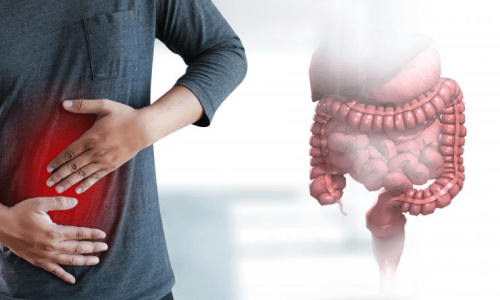
The colon is a hollow tube running from the small intestine to the anus, and the rectum holds the sphincter muscles that keep us continent. Problems here can cause abdominal discomfort, bleeding after passing stool, a change in bowel rhythm or continence issues. Colorectal surgery covers a wide range of conditions:

  • Hemorrhoids (piles) and anal fissure
  • Anal fistula and abscess
  • Rectal prolapse
  • Hernia repair and gallbladder removal
  • Lipoma and subcutaneous lumps
  • Colon and rectal cancer
The Anatomy

Colon, rectum and anal canal

The large bowel is about 1.5 metres long; the rectum and anal canal form the final 15–20 cm.

Colon
Colon

The main part of the large intestine, which absorbs water and stores digestive waste before it is passed.

Rectum
Rectum

The final section that stores stool. Its sphincter muscles maintain continence until release.

Anus and perianal area
Anus & perianal area

Where many common, treatable conditions arise — piles, fissures, fistulas and abscesses.

Colorectal cancer
Colorectal Cancer

How colon and rectal cancer develops

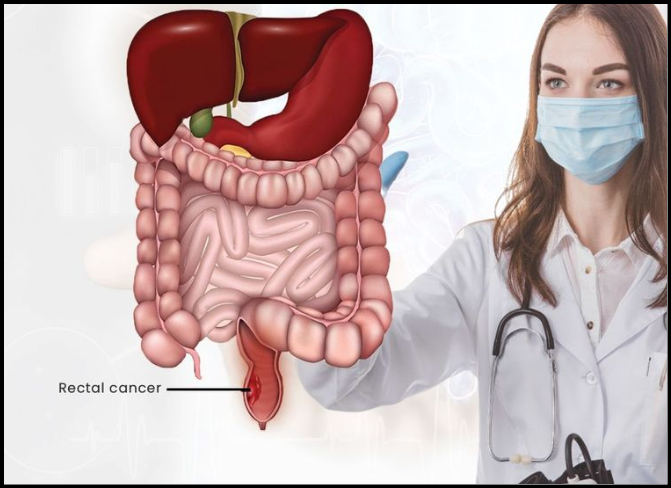
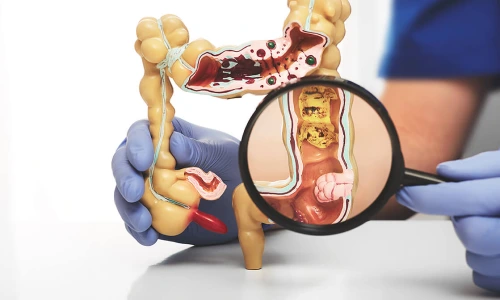
Colorectal cancer usually begins as a polyp that can grow into the colon or rectal wall over time. Because the wall has several layers, cancer that starts in the innermost lining can spread outward and, if it reaches blood or lymph vessels, travel to nearby nodes or distant organs. Staging looks at how deep it has grown and whether it has spread.

  • Often starts as a removable polyp
  • Early detection makes treatment simpler
  • Screening, staging and minimally invasive resection
Surgical Options

Minimally invasive treatment, chosen for your case

The right approach depends on the condition, its location and stage, and your overall health.

Wherever it is safe and appropriate, surgery is performed through a few small incisions rather than one long cut — less trauma, less pain and a quicker recovery.

Laparoscopic colectomyPreferred
Gold standard

Laparoscopic colectomy

The affected segment of colon is removed through several small cuts (0.5–1 cm) used for a camera and fine instruments, with a slightly larger incision of 4–5 cm to remove the tumour. Compared with open surgery it means significantly less pain, and most patients leave hospital and resume normal activities within 6–8 days.

Discuss this option

Also performed, depending on the case

Laparoscopic rectal resection
Rectal cancer

Laparoscopic rectal resection

Removes the affected rectal segment through small abdominal incisions, preserving as much normal function as possible.

TAMIS
Early lesions

Transanal surgery (TAMIS)

Smaller tumours and polyps are removed through the anus with no external scarring, protecting the continence system.

Open surgery
Complex cases

Open surgery

Reserved for complex or advanced disease where a laparoscopic approach is not the safest option.

  1. Within 24 hours
    Within 24 hoursUp and moving

    Most patients are mobile and back to eating and drinking within a day.

  2. Discharge
    A few daysHome

    Discharge within days, with pain relief and clear instructions.

  3. Return to activity
    2–3 weeksBack to routine

    A gradual return to normal activities, roughly a month earlier than open surgery.

  4. Follow-up
    First yearRegular follow-up

    Check-ups every few months at first, then less often, to keep you well.

What is colorectal surgery?

Procedures that repair or treat the colon, rectum and anus — sometimes removing part of the colon (colectomy) or rectum (proctectomy), often to treat cancer, inflammatory bowel disease or other conditions.

Who is a candidate?+

People with colorectal cancer, inflammatory bowel disease (Crohn’s or ulcerative colitis), diverticulitis or rectal prolapse. A specialist assessment decides whether surgery is the best course.

Can it be done laparoscopically in Dubai?+

Yes. Dr. Daniel Serralta performs minimally invasive (laparoscopic) colorectal surgery, which usually means a shorter hospital stay, less pain and a quicker recovery. Not every condition suits it, so your options are discussed at consultation.

What are the risks?+

As with any surgery there is a risk of infection, bleeding, anaesthetic complications and leakage where bowel is joined. A careful pre-operative assessment keeps these to a minimum.

What is the recovery time?+

Hospital stays generally last from a few days to a week, with full recovery over several weeks. Keyhole surgery is usually much quicker than open surgery.

Ready to take the next step?

Book a confidential consultation and get a clear, honest plan for your condition.

Book Your Appointment

Reach out for a private consultation

Prompt, confidential appointments at Saudi German Hospital, Dubai. Reach out however you feel most comfortable.

Call or WhatsApp+971 56 805 4323
ClinicSaudi German Hospital, Hessa Street 331, West Al Barsha 3, Exit 36 Sheikh Zayed Road, Dubai
Consultation hoursSun–Thu: 8 am – 4 pm · Fri & Sat: Closed
LanguagesEnglish · Spanish · French · Arabic

Urgent medical inquiries? Call +971 56 805 4323 or send a message on WhatsApp for quick coordination.

Request a Consultation

Fill in your details and the clinic will contact you to confirm.


    Your information is private and confidential.

    Saudi German HospitalHessa Street 331, West Al Barsha 3, Exit 36 Sheikh Zayed Road, Dubai