
Hernia surgery in Dubai
Dr. Daniel Serralta assesses and treats hernias at Saudi German Hospital, Dubai, and discusses laparoscopic and open repair options based on the type of hernia, your symptoms and your health.
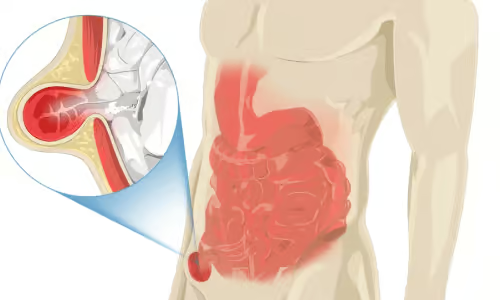
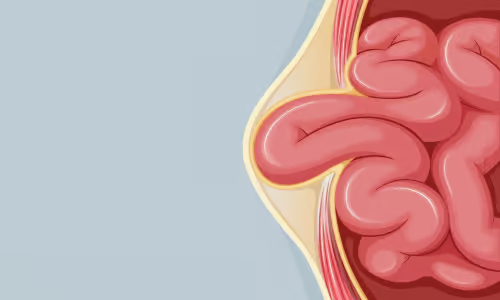
Overview of Hernia Surgery in Dubai
A hernia occurs when an organ, fatty tissue or another internal structure pushes through a weakened area of the surrounding muscle or connective tissue. A visible or noticeable bulge is common, although some hernias may cause discomfort without an obvious lump. Not every lump is a hernia: a soft, painless lump under the skin may be a lipoma.
Hernias can occur in different areas of the abdominal wall and groin. Common types include inguinal, femoral, umbilical, epigastric, incisional and Spigelian hernias.
Symptoms may become more noticeable with coughing, lifting, standing or other activities that increase pressure within the abdomen. Some hernias cause few or no symptoms and may be monitored, while others may require surgical repair. An assessment helps determine the appropriate approach.
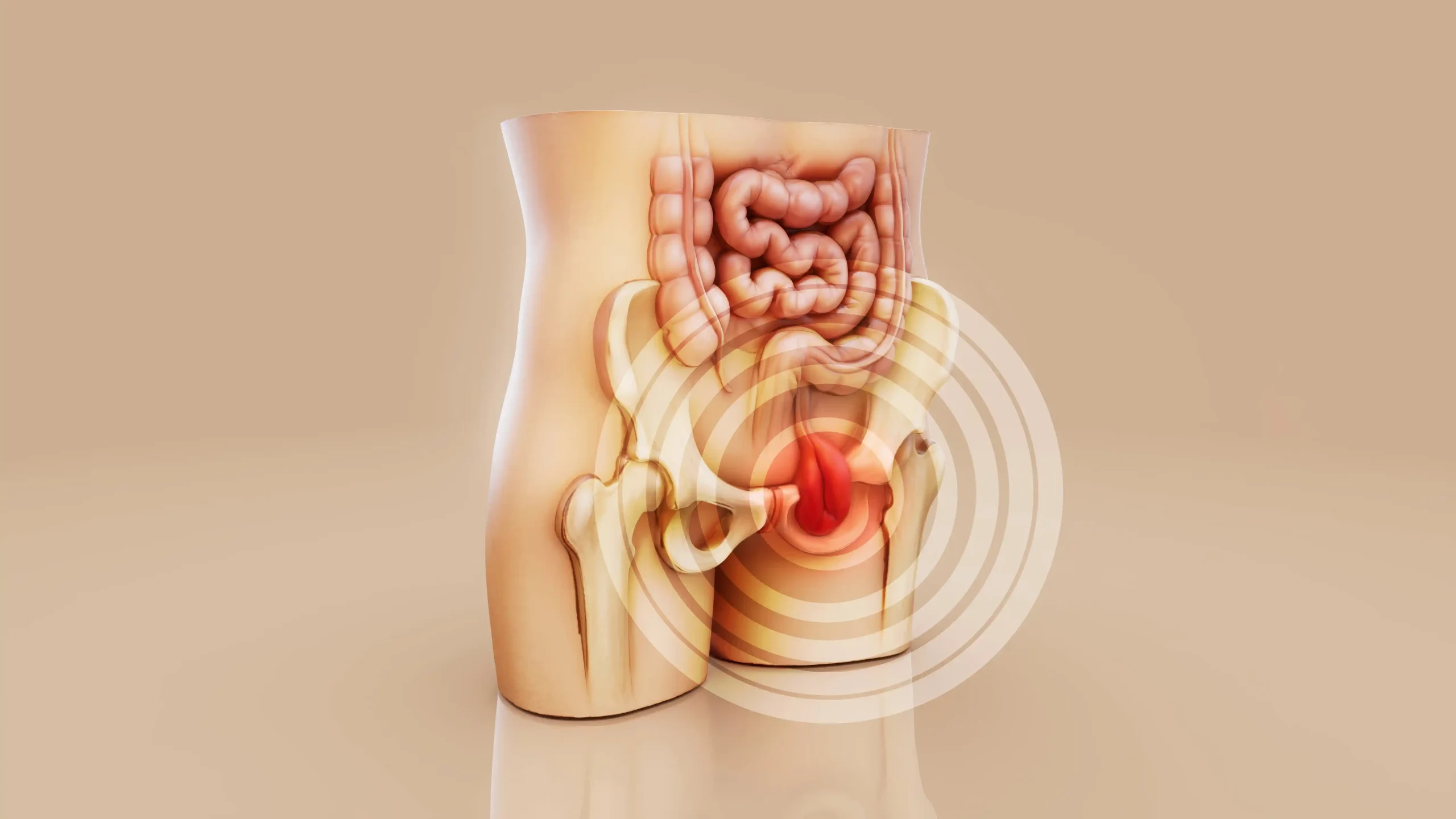
When to Consult the Hernia Surgeon in Dubai?
Some hernias can be monitored when they are small and do not cause significant symptoms. Surgery may be discussed when a hernia causes pain, increases in size, interferes with daily activities, or has other clinical features that make repair appropriate.
Trusted Hernia Specialist in Dubai, Dr. Daniel Serralta specializes in diagnosing abdominal wall defects. He tailors care across complex cases, including advanced umbilical hernia treatment in Dubai and reconstructive Incisional hernia treatment in Dubai using modern laparoscopic or open surgery. Umbilical hernias often appear alongside diastasis recti, and both can be repaired in the same operation.
A clinical assessment helps determine whether observation, planned surgery or urgent treatment is appropriate.
Symptoms of a Hernia
Hernias can present a range of symptoms, and understanding them is crucial for seeking timely medical attention. Common symptoms of hernias include:

A hernia may appear as a lump or bulge in the groin, abdominal wall or around the belly button. It may become more noticeable when standing, coughing or straining.
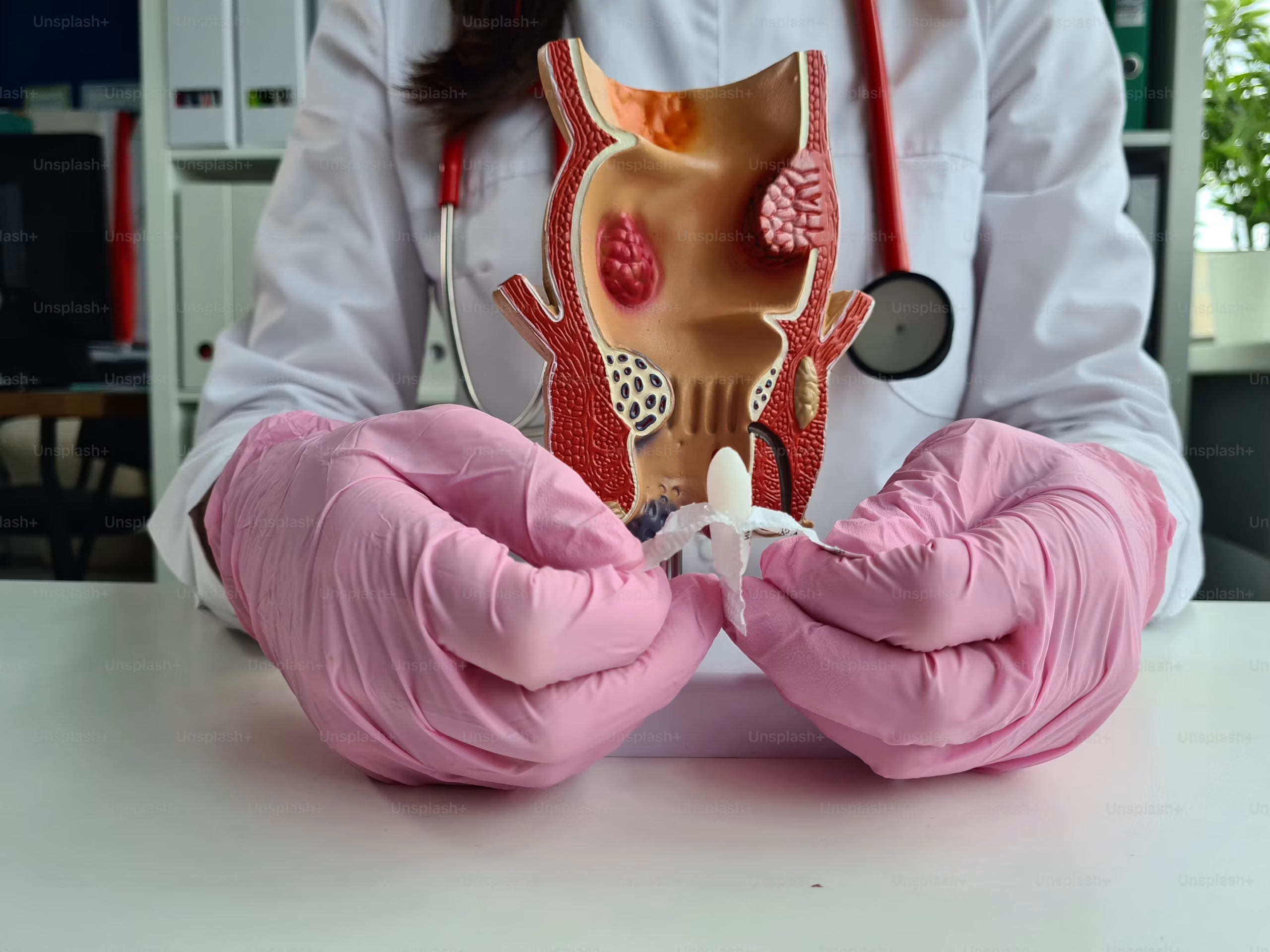
Some people experience discomfort, pressure or pain around the hernia, particularly during lifting, coughing, exercise or prolonged standing.
A hernia may become more prominent with activity and reduce when lying down. A hard, tender or discoloured bulge that cannot be pushed back, especially with vomiting, swelling or fever, needs urgent medical assessment.
Possible Causes and Risk Factors of Hernia
- A natural or acquired weakness in the abdominal wall
- Previous abdominal surgery
- Pregnancy
- Chronic coughing
- Constipation and repeated straining during bowel movements
- Difficulty passing urine that causes repeated straining
- Heavy lifting or strenuous physical activity
- Changes in body weight
- Age-related changes in connective tissue
Diagnosis of Hernia Surgery in Dubai
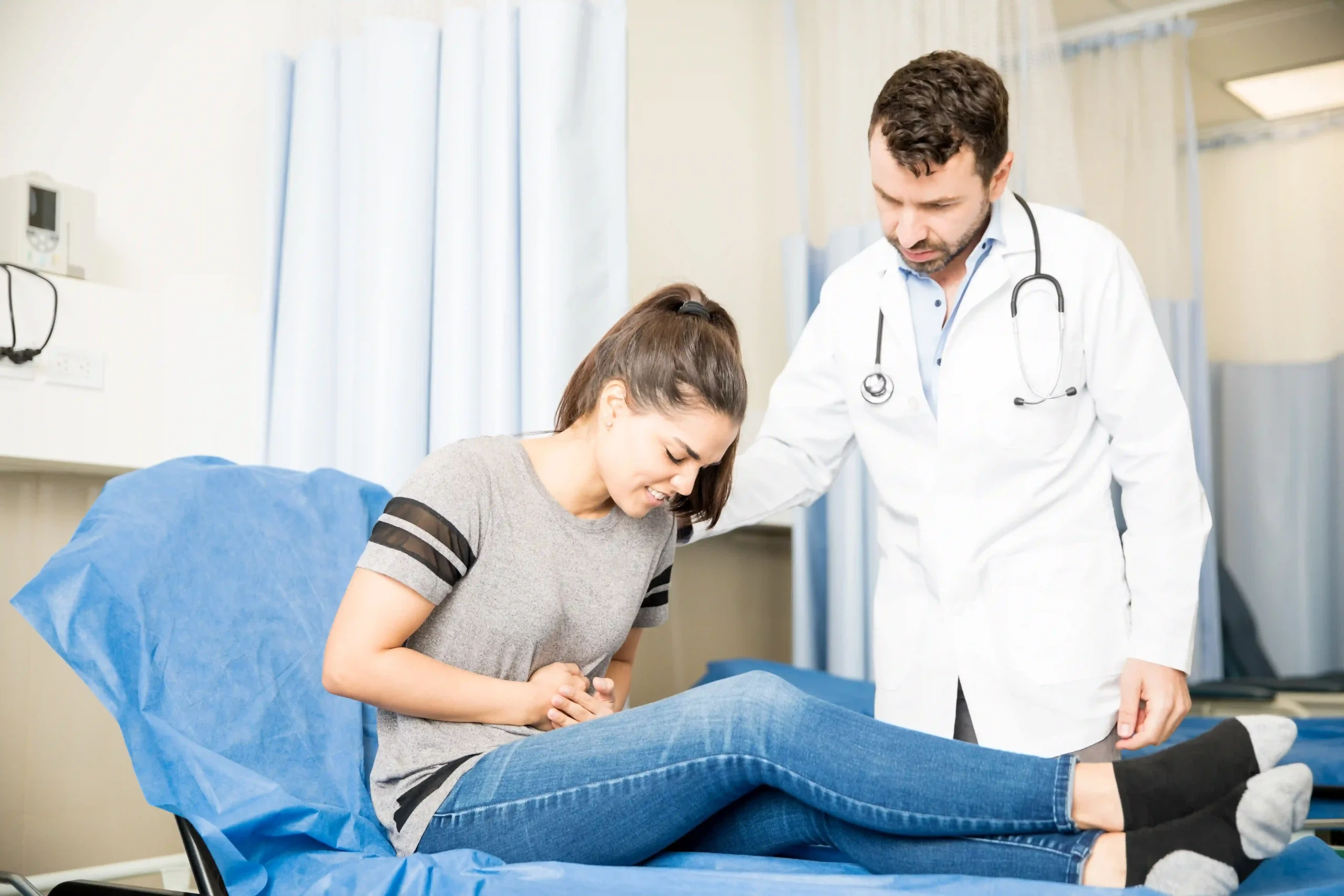
Diagnosis usually begins with a medical history and physical examination. The location, size and behavior of the bulge are assessed, along with symptoms and relevant medical or surgical history.
- Physical Examination: The examination may include assessment while standing, lying down, coughing or performing other movements that make the hernia more noticeable.
- Imaging: Ultrasound or CT imaging may be recommended when the diagnosis is uncertain, the hernia is difficult to assess clinically, or additional information is needed for treatment planning.
- Treatment Planning: The decision to operate depends on factors such as the type and size of the hernia, symptoms, previous surgery, overall health and the findings of the clinical assessment.
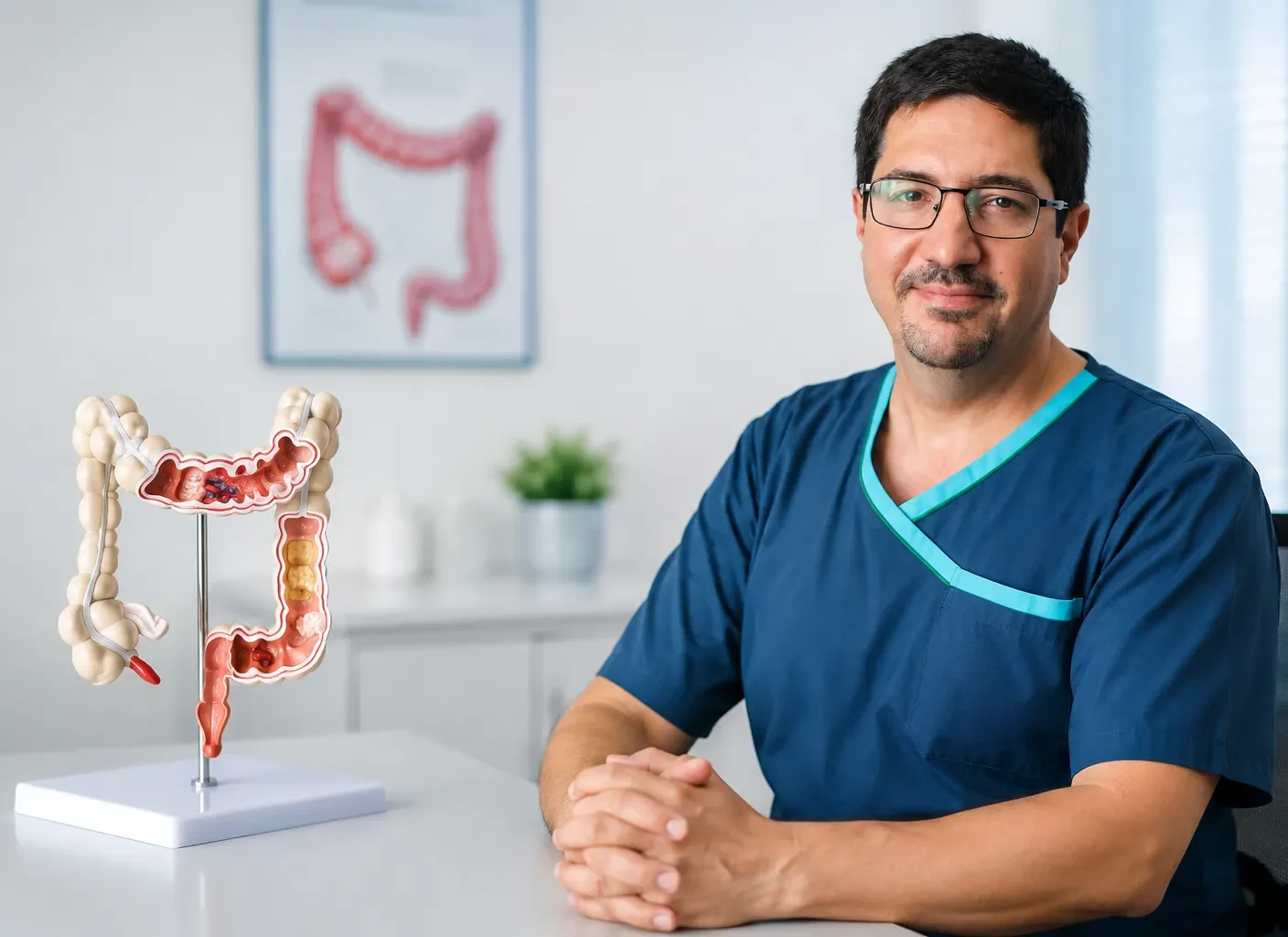
Hernia Treatment in Dubai with Dr. Daniel Serralta
Dr. Daniel Serralta provides assessment and surgical treatment for selected abdominal wall conditions at Saudi German Hospital, Dubai. The hospital lists laparoscopic hernia repair among its surgical services. Dr. Daniel Serralta combines advanced keyhole precision with tension-free prosthetic repair. He uses the same keyhole technique for laparoscopic gallbladder removal.
Treatment is selected according to the type of hernia, symptoms, physical findings, previous surgery and overall health. Depending on the case, treatment may involve observation, planned surgery or urgent intervention.
Treatment May Include
- Clinical assessment and diagnosis
- Monitoring of selected asymptomatic or minimally symptomatic hernias
- Open hernia repair
- Laparoscopic hernia repair where clinically appropriate
- Mesh or suture repair depending on the hernia
- Individualized postoperative follow-up
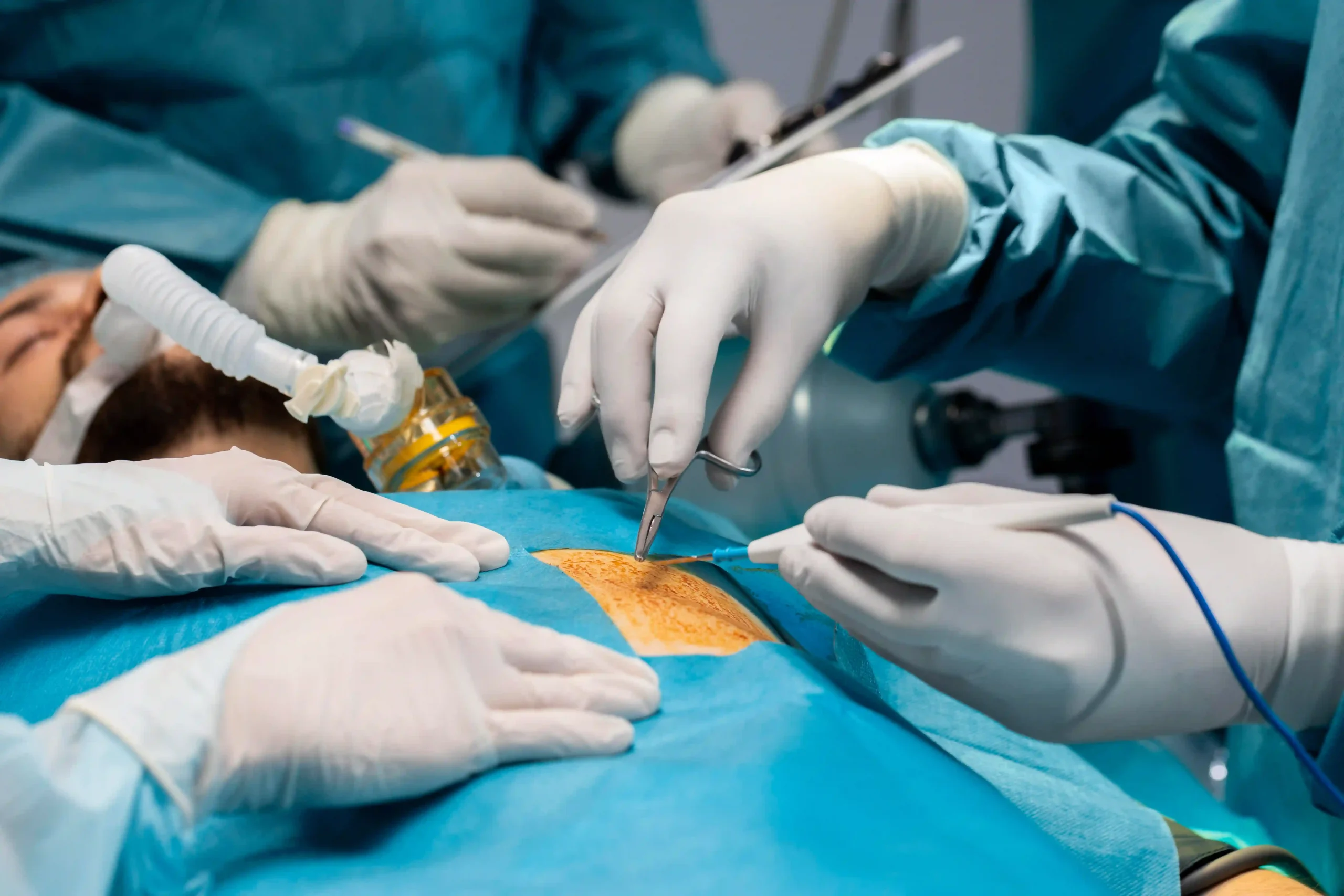
Laparoscopic Hernia Surgery in Dubai
Laparoscopic hernia repair uses small abdominal incisions and a camera to access and repair the abdominal wall defect. It is one of the surgical approaches that may be considered for selected hernias.
Open repair uses an incision directly over or near the hernia and may be appropriate depending on the hernia’s location, size, previous operations and other clinical factors.
- Small Incisions: Laparoscopic repair uses small incisions to access the hernia with specialised surgical instruments.
- Camera Guidance: A laparoscopic camera provides a magnified view of the abdominal wall during the repair.
- Mesh Repair: Surgical mesh may be placed to reinforce the weakened abdominal wall when clinically appropriate.
- Approach Selection: The choice between laparoscopic and open repair depends on the hernia and individual clinical factors.
Ready to take the next step?
Book a confidential consultation and get a clear, honest plan for your condition.

Types of Hernia Treatment in Dubai
Umbilical Hernia
An umbilical hernia develops at or around the belly button. Treatment depends on the defect size, symptoms and clinical findings. Small defects may be suitable for suture repair, while mesh may be considered in selected cases.
Incisional Hernia
An incisional hernia develops through a previous abdominal surgical incision. Assessment may include examination and imaging to determine the defect’s size and location. Repair may involve open or minimally invasive surgery.
Spigelian Hernia
A Spigelian hernia develops through a defect along the side of the abdominal wall. Imaging may help clarify the diagnosis when examination findings are unclear. Treatment depends on symptoms and the defect’s characteristics.
Inguinal Hernia
An inguinal hernia develops in the groin. Open or laparoscopic repair may be considered based on symptoms, examination findings and individual factors.
- Mesh Repair: Mesh may be used when clinically appropriate.
- Surgical Approach: The technique depends on the hernia type, location, size and previous surgery.
Aftercare, Recovery & Risk Considerations of Hernia Surgery in Dubai
Recovery varies with the hernia type, surgical approach, extent of repair and individual healing. Follow your surgical team’s guidance and gradually resume normal activities.
- Follow wound-care and medication instructions.
- Walk as advised and avoid heavy lifting until cleared.
- Attend follow-up appointments.
- Seek medical advice for increasing pain, fever, redness, discharge or significant swelling.
- Risks may include infection, bleeding, seroma, pain, nerve changes, mesh-related complications, recurrence or anaesthesia-related risks.
How can I recognize early signs of a muscular defect?–
Common indicators include an unnatural bulge in the groin or navel that intensifies when bending, lifting, or coughing, accompanied by a heavy dragging sensation. Seeking specialized hernia treatment in Dubai early prevents acute tissue incarceration and restores normal intra-abdominal wall balance.
Is surgical intervention safe and durable?+
Modern repairs are exceptionally safe when performed by an accredited Hernia Specialist in Dubai. Utilizing biocompatible, tension-free prosthetic mesh reinforces the muscular defect, drastically lowering recurrence risks and preventing damage to adjacent neurovascular structures.
What modern surgical repair methods are available in the UAE?+
While mild, non-symptomatic presentations are monitored, definitive management involves minimally invasive repair. Undergoing specialized laparoscopic hernia surgery in Dubai (such as TAPP or TEP) enables rapid recovery, negligible scarring, and minimal downtime compared to traditional open techniques.
What causes abdominal wall defects to form?+
Hernias develop from localized fascial weakness coupled with sustained physical strain, repetitive coughing, heavy lifting, or prior incisions. If structural integrity fails, undergoing definitive Hernia Surgery in Dubai restores abdominal strength and permanently closes the muscular gap.
What is the clinical definition of a primary tissue rupture?+
A hernia occurs when fatty tissue or abdominal viscera protrude through an abnormal opening in the surrounding muscle wall. Consulting the Best Hernia Surgeon in Dubai ensures accurate clinical classification, differentiating between groin tears, navel openings, and rare lateral wall defects.
How is a belly button defect definitively repaired?+
A navel protrusion occurs when intra-abdominal contents push through the umbilical ring. Modern umbilical hernia treatment in Dubai reduces the protruding fat or intestine and positions a permanent sublay mesh to reinforce the periumbilical fascia.
What is the standard procedure for managing previous surgical scars?+
Weakening at prior surgical incision sites requires specialized Incisional hernia treatment in Dubai. The procedure reconstructs separated muscular layers and reinforces stretched scar tissue with a prosthetic mesh to withstand long-term abdominal pressures.
How are painful groin wall bulges treated?+
Direct and indirect groin protrusions require dedicated inguinal hernia surgery in Dubai. Keyhole preperitoneal approaches reposition herniated bowel loops and place a preformed mesh to protect sensitive femoral and genital nerve bundles.
What approach is taken for rare lateral abdominal wall defects?+
Protrusions occurring along the semilunar line lateral to the rectus sheath require precise spigelian hernia surgery in Dubai. High-resolution laparoscopic guidance allows the surgeon to reduce the inter-muscular sac and anchor supportive mesh without extensive tissue disruption.
How much does advanced abdominal wall repair cost in Dubai?+
The overall Hernia Surgery Cost in Dubai depends on the surgical modality (laparoscopic TAPP/TEP versus open reconstruction), bilateral or unilateral defect status, mesh technology utilized, and private health insurance coverage terms, with transparent pricing provided following initial clinical assessment.
Reach out for a private consultation
Prompt, confidential appointments at Saudi German Hospital, Dubai. Reach out however you feel most comfortable.
Urgent medical inquiries? Call +971 56 805 4323 or send a message on WhatsApp for quick coordination.
Request a Consultation
Fill in your details and the clinic will contact you to confirm.
Your information is private and confidential.