

1.
Excision and Open Healing
The sinus tract is removed, leaving the wound to heal naturally from the inside. Open healing can take several weeks to months and may require regular dressing changes during the healing period.
Dr. Daniel Serralta assesses and treats pilonidal sinus, cyst and abscess at Saudi German Hospital, Dubai, with options selected according to the extent of disease and whether it is recurrent.


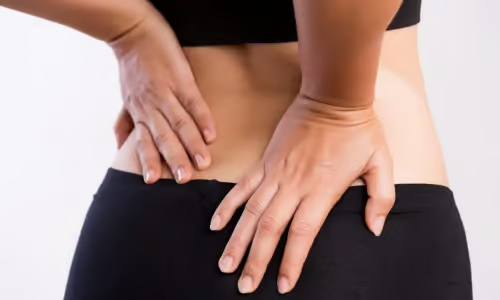
Pilonidal disease can involve a cyst, abscess, or sinus tract beneath the skin of the natal cleft. Unlike an anal fistula, these tracts usually do not connect to the anal canal. Treatment depends on the type and extent of disease, whether there is active infection, and whether the condition is recurrent.
A painful cyst can form when hair and debris become trapped beneath the skin in the natal cleft. A soft, painless lump elsewhere on the back is more often a lipoma. A clinical assessment can determine whether observation, treatment of infection, drainage, or a surgical procedure is appropriate.

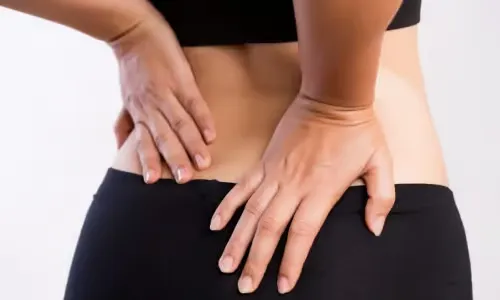
Pilonidal disease forms in the cleft between the buttocks, near the base of the spine.

The fold between the buttocks where hair and debris can become trapped in skin pores.
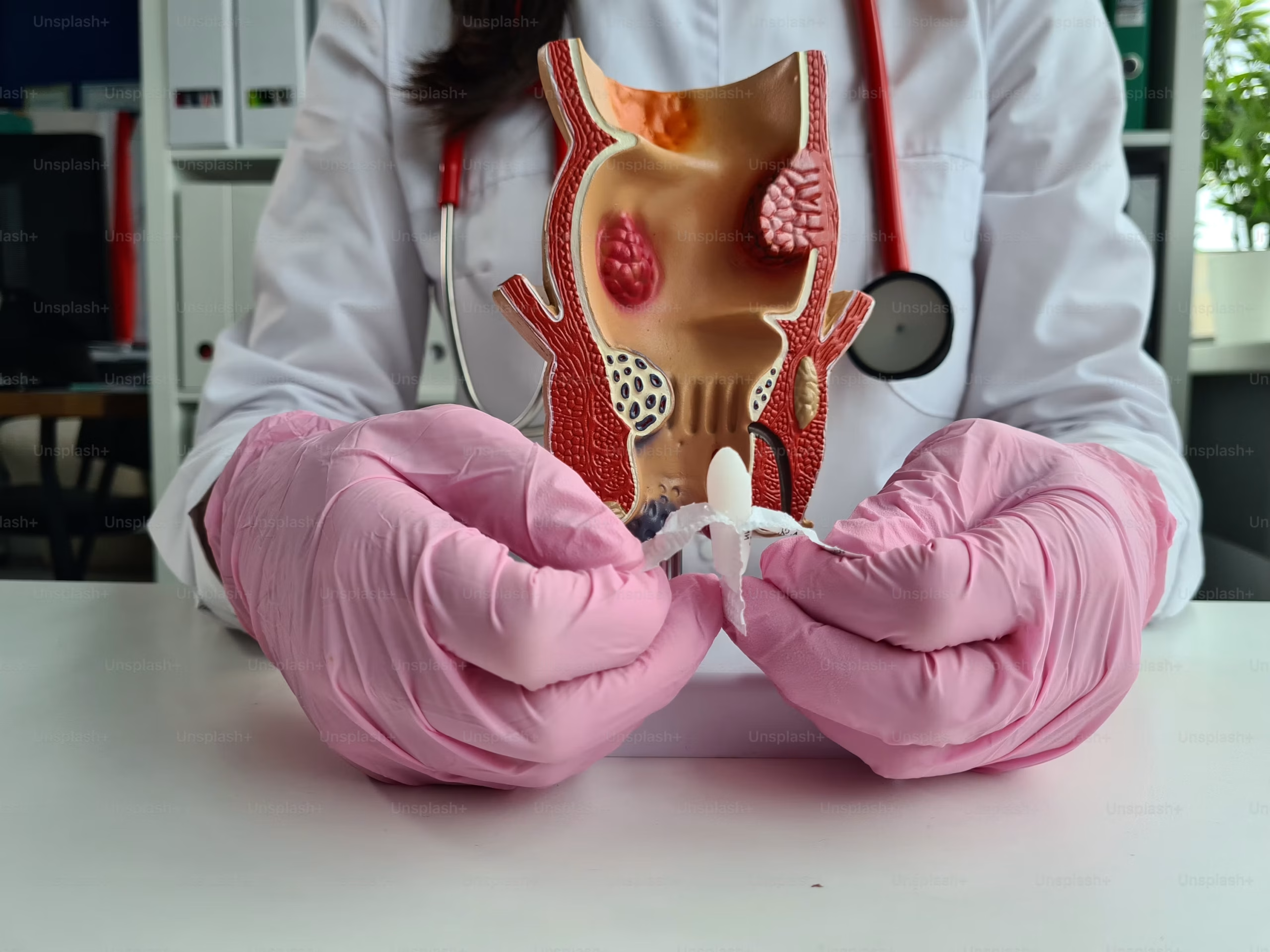
The bony base of the spine lying beneath the natal cleft and the area where pilonidal disease commonly develops.

Hair and debris can become trapped in the natal cleft and contribute to irritation, inflammation, and infection.
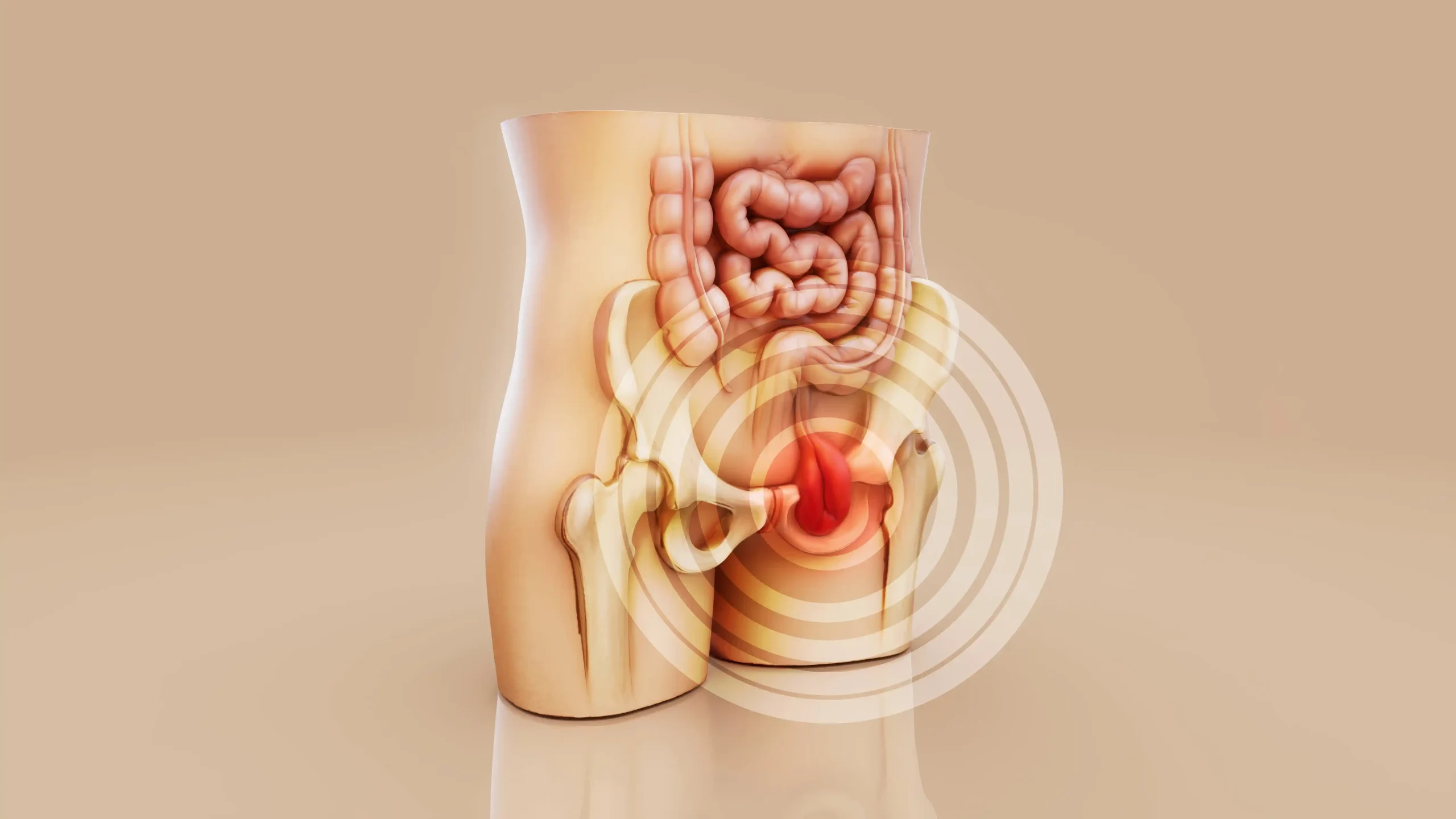
Pilonidal disease is associated with hair and debris becoming trapped in the skin of the upper buttock cleft, which can contribute to inflammation and abscess formation.
Treatment depends on tract complexity, tissue inflammation, whether there is an acute abscess, and whether the disease is primary or recurrent. As a Pilonidal Cyst Surgeon in Dubai, Dr. Daniel Serralta provides assessment and treatment at Saudi German Hospital, with the approach selected according to the patient’s clinical findings.
Treatment may include drainage of an acute abscess, limited procedures for selected disease, or excision and flap-based procedures for more extensive or recurrent disease.
The appropriate procedure depends on the extent of disease, the presence of infection, previous treatment, and whether the condition is recurrent.
The sinus tract is removed, leaving the wound to heal naturally from the inside. Open healing can take several weeks to months and may require regular dressing changes during the healing period.

This involves removing the affected tissue and closing the wound with sutures. Direct midline closure can have a higher risk of wound breakdown in some patients. The suitability of this approach depends on the individual case.
Flap procedures use nearby tissue to close the surgical area. Off-midline closure, including techniques such as the Karydakis flap, may be considered for selected chronic or recurrent disease.

Endoscopic approaches such as EPSIT use a small endoscope to visualize and treat selected sinus tracts.

Pit picking targets selected sinus openings and associated tracts through a limited procedure. It may be considered for appropriate mild or limited disease.
Laser treatment uses laser energy to treat selected sinus tracts through a minimally invasive approach.

Follow wound-care instructions provided by your surgeon.
Keep the surgical area clean and follow guidance on dressing changes.
Take prescribed medication as directed and report unexpected or worsening pain.
Gradually increase activity according to your surgeon's instructions.
Follow guidance on hair removal and hygiene if recommended for your condition.
Attend follow-up appointments so wound healing can be assessed.
Book a confidential consultation and get a clear, honest plan for your condition.
Keeping the natal cleft clean and managing hair may support ongoing care. Hair removal may include shaving, depilatory products or laser hair removal, as advised. Dr. Serralta can explain the relevant risks and expected benefits of the proposed treatment during consultation.
The risks of the treatment includes:
Patients typically notice a tender, swelling lump near the natal cleft that causes sharp discomfort while sitting. In complex presentations, consulting a dedicated Pilonidal Cyst Specialist in Dubai ensures proper clinical evaluation when discharging sinuses or deep, painful pits develop without a visible bulge.
Persistent localized tenderness, bloody discharge, or foul-smelling drainage indicates the need for structured Pilonidal sinus treatment in Dubai. A physical exam determines whether the presentation is an acute localized abscess or an extensive subcutaneous tunnel system.
Friction, deep natal cleft anatomy, and ingrown hair follicles create continuous tissue stress. If previous treatments failed to flatten the cleft or excise branching pits, managing Recurrent pilonidal sinus disease (PNS) requires advanced off-midline flap reconstruction to halt repetitive cycles permanently.
For severe or recurring cases, choosing the Best Pilonidal Cyst Surgery in Dubai involves tailored approaches such as the Modified Karydakis flap or targeted laser tract ablation to minimize downtime and prevent midline wound breakdown.
The overall Pilonidal Sinus Surgery Cost in Dubai depends on the surgical method chosen, tract complexity, operating room requirements, and health insurance authorization, with full cost transparency provided prior to the procedure.
Most cases are accurately diagnosed via clinical examination, though high-resolution ultrasound or pelvic MRI may be arranged to map branching subcutaneous tracts and assess deep tissue involvement before theatre.
Modern, minimally invasive Tailbone cyst Removal in Dubai allows normal walking immediately and work resumption within days, entirely avoiding lengthy, painful open-wound packing regimens.
Embedded hair follicles maintain continuous inflammation that antibiotics cannot cure. Undergoing definitive Pilonidal Sinus Surgery in Dubai safely eradicates the underlying infected epithelial tunnel.
Prompt, confidential appointments at Saudi German Hospital, Dubai. Reach out however you feel most comfortable.
Urgent medical inquiries? Call +971 56 805 4323 or send a message on WhatsApp for quick coordination.
Fill in your details and the clinic will contact you to confirm.
Your information is private and confidential.
Dr. Daniel Serralta provides clinical assessment and treatment for pilonidal sinus disease, cysts, and abscesses at Saudi German Hospital, Dubai.
Surgical treatment may be considered for persistent, chronic, or recurrent pilonidal disease. Depending on the presentation, options can include excision, flap-based procedures, or selected minimally invasive techniques.
Treatment is selected according to the extent of disease, active infection, previous procedures, and whether the condition has recurred.
A pilonidal cyst or abscess may require drainage or removal depending on the clinical findings. The appropriate procedure is determined after examination.
Recurrent disease may require reassessment and a different treatment approach from an initial presentation. Off-midline flap procedures may be considered for selected complex or recurrent cases.
Selected minimally invasive approaches, including pit-picking, endoscopic techniques, or laser treatment, may be considered depending on the extent and location of the sinus tract.
Patient visits take place at Saudi German Hospital on Hessa Street, Al Barsha 3, just off Exit 36 on Sheikh Zayed Road.