
Diastasis Recti Surgery in Dubai
Expert treatment for diastasis recti and abdominal muscle separation, with personalized care and advanced surgical options in Dubai.
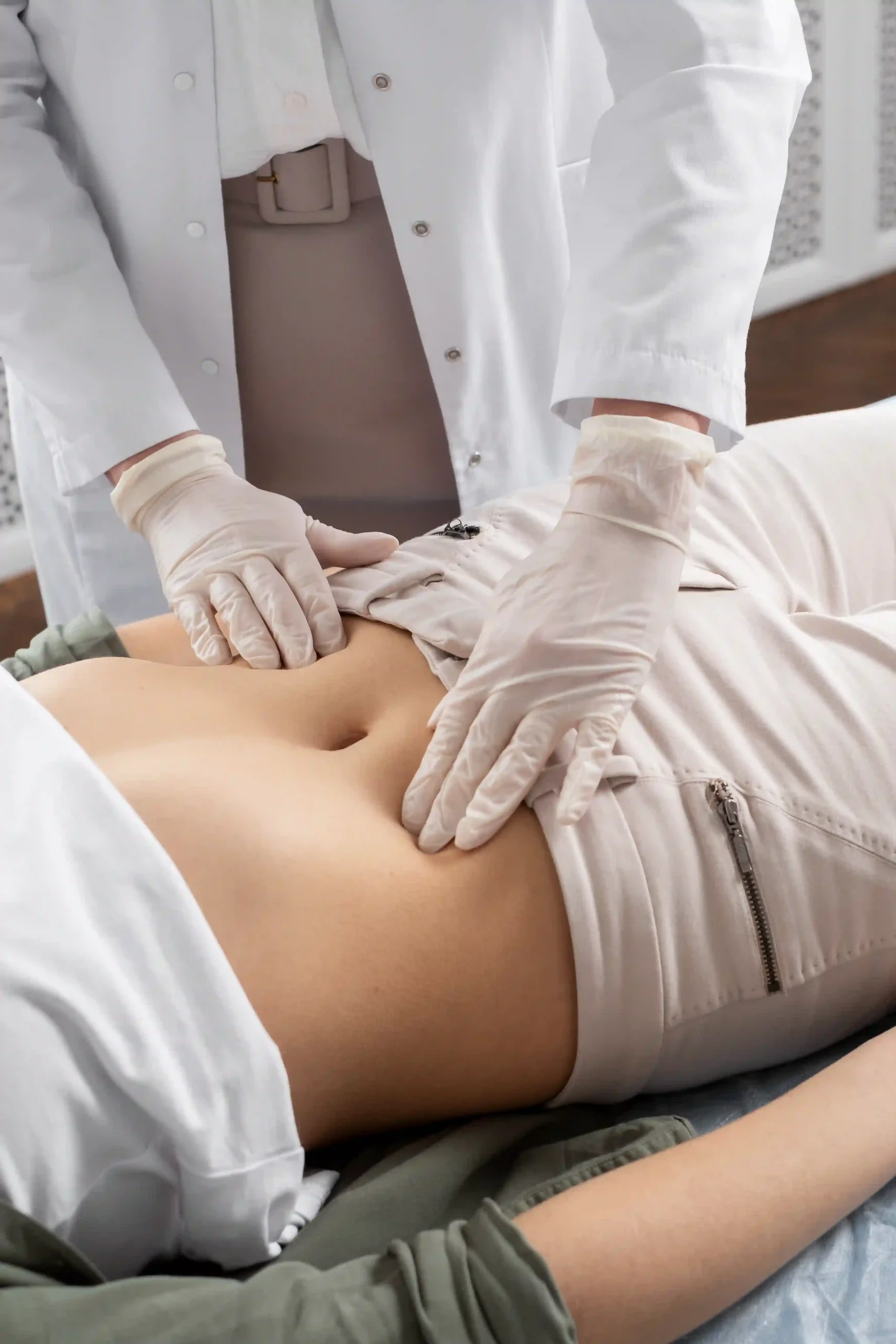


Rectus Abdominis Diastasis Treatment in Dubai - Overview
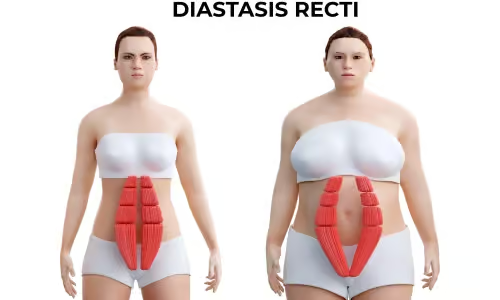
Abdominal diastasis, is also known as rectus diastasis or rectus abdominis separation. Diastasis recti is a frequent pregnancy and postpartum disorder. It happens when the rectus abdominis muscles (six-pack ab muscles) split after being strained during pregnancy.
The separation can cause a woman’s tummy to protrude or swell months or years after giving birth. It may be repairable with particular exercises that help to bridge the gap.
It affects a huge amount of women after pregnancy. It normally clears up within eight weeks following delivery. By six months postpartum, around 40% of those with diastasis recti still have it.
Understanding the Symptoms of Abdominal Diastasis
Abdominal diastasis can manifest in various ways, and its symptoms may vary in intensity among individuals. Key symptoms include:

The most noticeable symptom is a bulging or protruding belly, resembling a ridge or a shark fin along the midline of your abdomen when you contract your muscles.
Engaging the core muscles becomes challenging when abdominal muscles are separated. This can affect everyday activities and exercises that require core strength.

Many individuals with abdominal diastasis experience lower back pain. The weakened abdominal muscles can result in poor support for the lower spine, leading to pain.
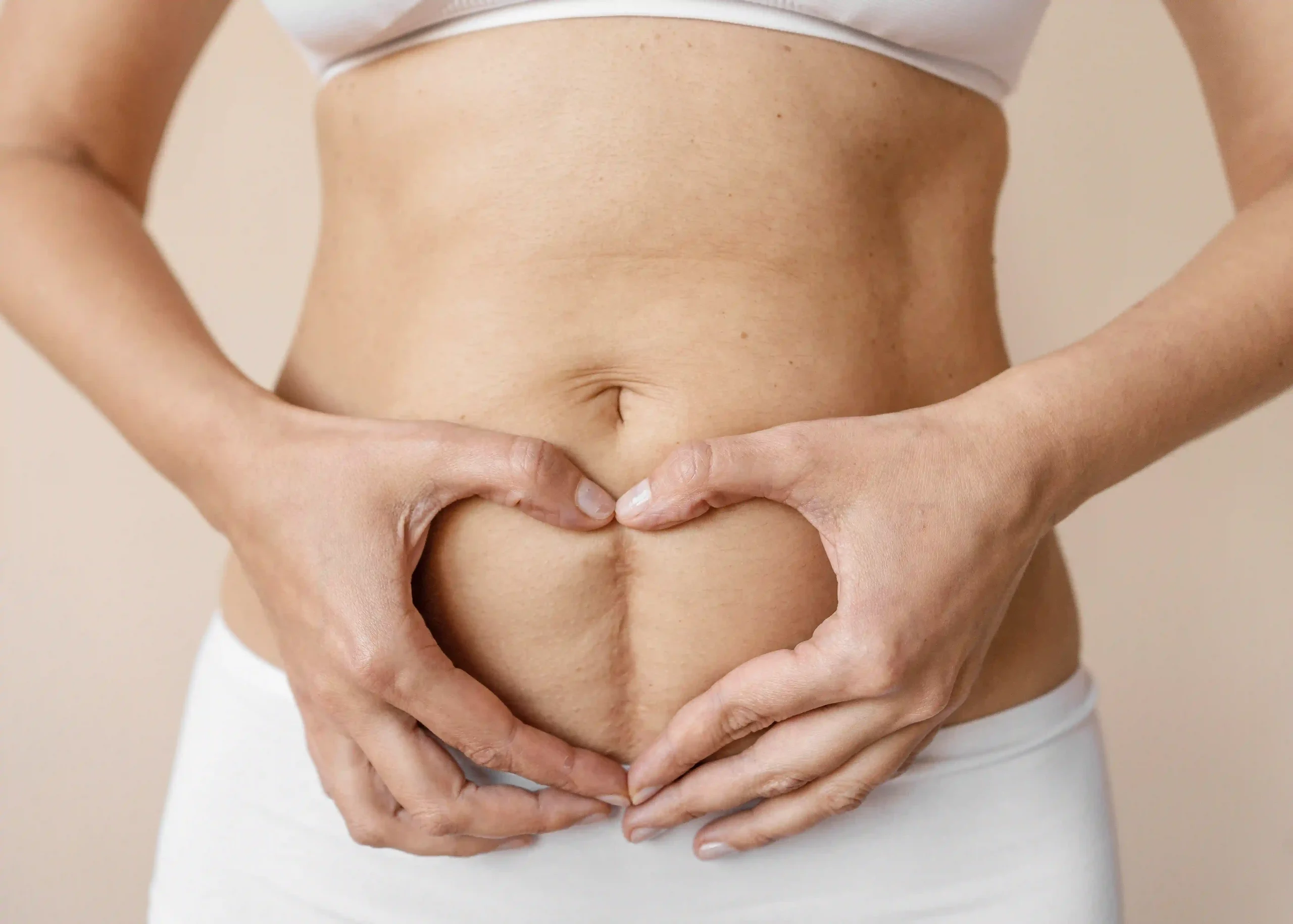
Diastasis recti can negatively impact your posture, causing a forward-leaning or reclined position. This can contribute to further discomfort & strain on the spine.
Some people with abdominal diastasis may experience digestive problems like bloating and constipation due to weakened abdominal muscles.
Abdominal diastasis can lead to changes in body shape, which may be distressing for some individuals.

Common Causes of Abdominal Diastasis
- Improper Lifting Techniques: Engaging in activities with poor lifting form strains abdominal muscles, leading to separation.
- Incorrect Exercise Practices: Consistently performing abdominal pressure-exerting exercises, like improper sit-ups or crunches, contributes to diastasis.
- Rapid Weight Gain or Obesity: Swift weight gain or obesity stresses abdominal tissues, potentially causing muscle separation.
- Hormonal Changes During Pregnancy: Pregnancy-related hormonal shifts weaken abdominal muscles, with the growing uterus adding pressure and promoting separation.
- Genetic Predisposition: Genetics can influence collagen production, making some genetically susceptible to muscle separation.
- Multiple Pregnancies: Women with multiple pregnancies face a higher risk due to increased abdominal muscle stretching.
- Age-Related Changes: Natural aging leads to muscle tone and elasticity loss, increasing the likelihood of diastasis recti.
Diagnosing Abdominal Diastasis In Dubai
- Improper Lifting Techniques: Engaging in activities with poor lifting form strains abdominal muscles, leading to separation.
- Incorrect Exercise Practices: Consistently performing abdominal pressure-exerting exercises, like improper sit-ups or crunches, contributes to diastasis.
- Rapid Weight Gain or Obesity: Swift weight gain or obesity stresses abdominal tissues, potentially causing muscle separation.
- Hormonal Changes During Pregnancy: Pregnancy-related hormonal shifts weaken abdominal muscles, with the growing uterus adding pressure and promoting separation.
- Genetic Predisposition: Genetics can influence collagen production, making some genetically susceptible to muscle separation.
- Multiple Pregnancies: Women with multiple pregnancies face a higher risk due to increased abdominal muscle stretching.
- Age-Related Changes: Natural aging leads to muscle tone and elasticity loss, increasing the likelihood of diastasis recti.
Rectus Abdominis Diastasis Treatment in Dubai with Dr. Daniel Serralta
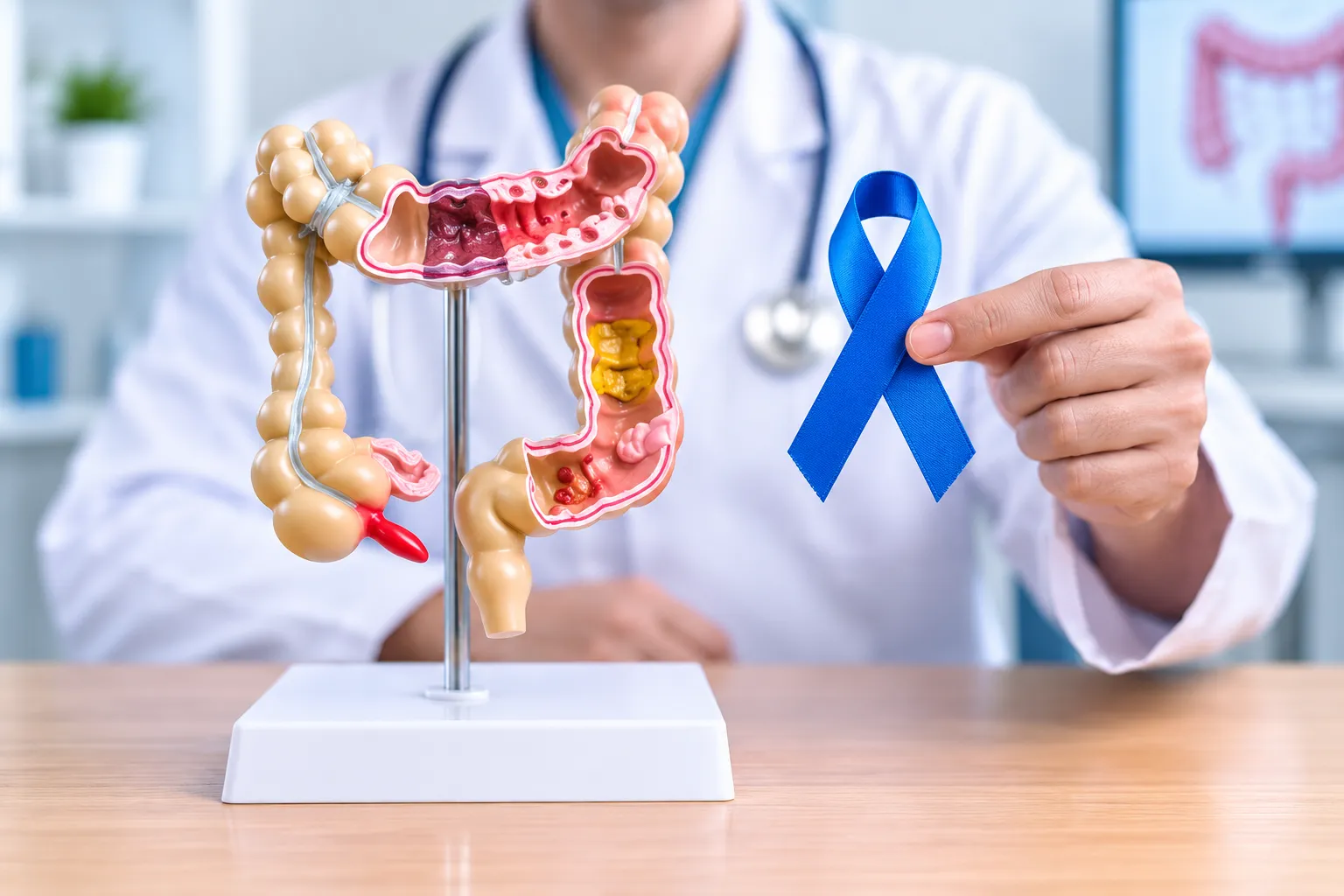
Options for Diastasis Recti Surgery in Dubai:
Diastasis Recti Surgery Dubai is reserved for cases when non-invasive methods fail. There are several options:
- Classic abdominoplasty (Tummy Tuck Surgery): Involves the reapproximation of separated abdominal muscles and the removal of excess skin. It is recommended when there is a clear excess of skin
- Mini Tummy Tuck: similar to the classic abdominoplasty, but includes the treatment only of the tissue below the belly button
- Keyhole abdominoplasty (Endoscopic Tummy Tuck): Minimally invasive technique with 3 incisions of around 1 cm, and quicker recovery. Utilizes laparoscope and specialized instruments to reduce scarring and postoperative discomfort.
Ready to take the next step?
Book a confidential consultation and get a clear, honest plan for your condition.
What are the benefits of the Keyhole Abdominoplasty?
First, it treats the muscle separation from the ribs to the pubis, and it repairs at the same time the umbilical hernia, when there is one.
Second, it only needs 3 wounds of around 1cm each, done above the pubis, so after the surgery the scars are almost invisible. To be noted, the belly button doesn’t need to be “redone” or “reimplanted”, so no scar above the pubis will remain.
Third, most part of the patients do not actually need skin removal, as once the muscle separation is closed, the skin will gradually adapt to the new abdominal wall size, so why removing it if it’s not needed??
And last but not least, this technique will greatly improve most part of the symptoms related to the abdominal diastasis.
What are the benefits of the Keyhole Abdominoplasty?
First, it treats the muscle separation from the ribs to the pubis, and it repairs at the same time the umbilical hernia, when there is one.
Second, it only needs 3 wounds of around 1cm each, done above the pubis, so after the surgery the scars are almost invisible. To be noted, the belly button doesn’t need to be “redone” or “reimplanted”, so no scar above the pubis will remain.
Third, most part of the patients do not actually need skin removal, as once the muscle separation is closed, the skin will gradually adapt to the new abdominal wall size, so why removing it if it’s not needed??
And last but not least, this technique will greatly improve most part of the symptoms related to the abdominal diastasis.
Consult Dr. Daniel Serralta for expert Rectus Abdominis Diastasis Treatment in Dubai
In your journey towards healing abdominal diastasis, a qualified healthcare professional like Dr. Daniel Serralta must have the guidance and expertise. Dr. Daniel Serralta is a renowned Diastasis Recti Specialist treating rectus diastasis and rectus abdominis issues in Dubai. With years of experience and a commitment to providing personalized care, he can assess your condition, provide an accurate diagnosis, and recommend the most suitable rectus abdominis treatment in Dubai. Trust in him for your colon and rectal cancer needs. Schedule a consultation today and initiate your first step towards a healthier future.
Can exercises cure diastasis recti?–
In many cases, targeted exercises under the guidance of a qualified physiotherapist can significantly improve diastasis recti. However, severe cases may necessitate surgical intervention to fully correct.
How is diastasis recti diagnosed?+
Diastasis recti can be diagnosed with the help of a physical exam, where a healthcare provider will measure the gap between the abdominal. Imaging tests are rarely needed.
What are the symptoms of diastasis recti?+
Symptoms include a noticeable bulge or “pooch” in the middle of the abdomen, lower back pain, poor posture, and in some cases, gastrointestinal issues like bloating or constipation. The condition can also affect the strength and functionality of the abdominal muscles.
What does diastasis recti surgery involve?+
Unless there is a clear skin excess, surgical treatment should only involve stitching together the gap between the muscles, and sometimes, placing a mesh for reinforcing the closure. Keyhole surgery is the less invasive option that might be suitable for most patients. Remember, skin and fatty tissue should not be removed, resulting in a much better aesthetic results in most part of the patients.
What is diastasis recti?+
Diastasis recti is a condition which separates the large abdominal muscles (rectus abdominis) along the midline, causing a gap that can lead to a bulging belly. This separation often occurs during pregnancy or due to excessive abdominal pressure.
What treatments are available for diastasis recti in Dubai?+
Treatment Options for diastasis recti surgery may include surgical interventions like Classic Abdominoplasty (Tummy Tuck Surgery), Mini Tummy Tuck and Keyhole Abdominoplasty (Endoscopic Tummy Tuck). Dr. Daniel Serralta is the only surgeon in the country who actually performs the Keyhole Abdominoplasty, in which the skin is not removed, the belly button is not “replaced” and there are only three 1cm incisions done. The recovery is much better, and the risk of wound infection and complications is largely diminished.
Besides indulging in regular Physical Therapy, Breathing Techniques, and Abdominal Binders or Support Garments can also provide relief from the discomfort.
Who is affected by diastasis recti?+
While most commonly associated with pregnant and postpartum women, diastasis recti can also affect men, and women who have not been pregnant. Factors contributing to its development include significant weight gain, performing exercises with poor technique, and genetics.
Reach out for a private consultation
Prompt, confidential appointments at Saudi German Hospital, Dubai. Reach out however you feel most comfortable.
Urgent medical inquiries? Call +971 56 805 4323 or send a message on WhatsApp for quick coordination.
Request a Consultation
Fill in your details and the clinic will contact you to confirm.
Your information is private and confidential.