

Incision & Drainage:
This involves creating a small hole in the abscess to drain pus. Just for infected cases.
Dr. Daniel Serralta provides advanced pilonidal sinus surgery in Dubai, using keyhole and cleft-lift techniques for low relapse rates and a fast, comfortable recovery.
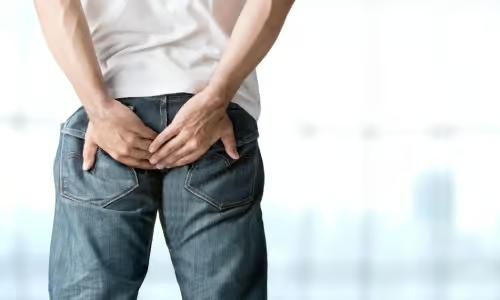

When chronic tracts burrow under the skin, comprehensive Pilonidal sinus treatment in Dubai is required. Minimally invasive excision closes discharging tunnels and protects healthy margins to prevent future recurrence.
A painful cyst forms when friction forces hair and debris beneath the natal cleft skin. Timely intervention with the Best Pilonidal Cyst Surgery in Dubai clears the infected capsule, stopping persistent inflammation and deep tissue damage.

Pilonidal sinus forms in the cleft between the buttocks, near the base of the spine.

The fold between the buttocks where hair and debris get trapped in skin pores.
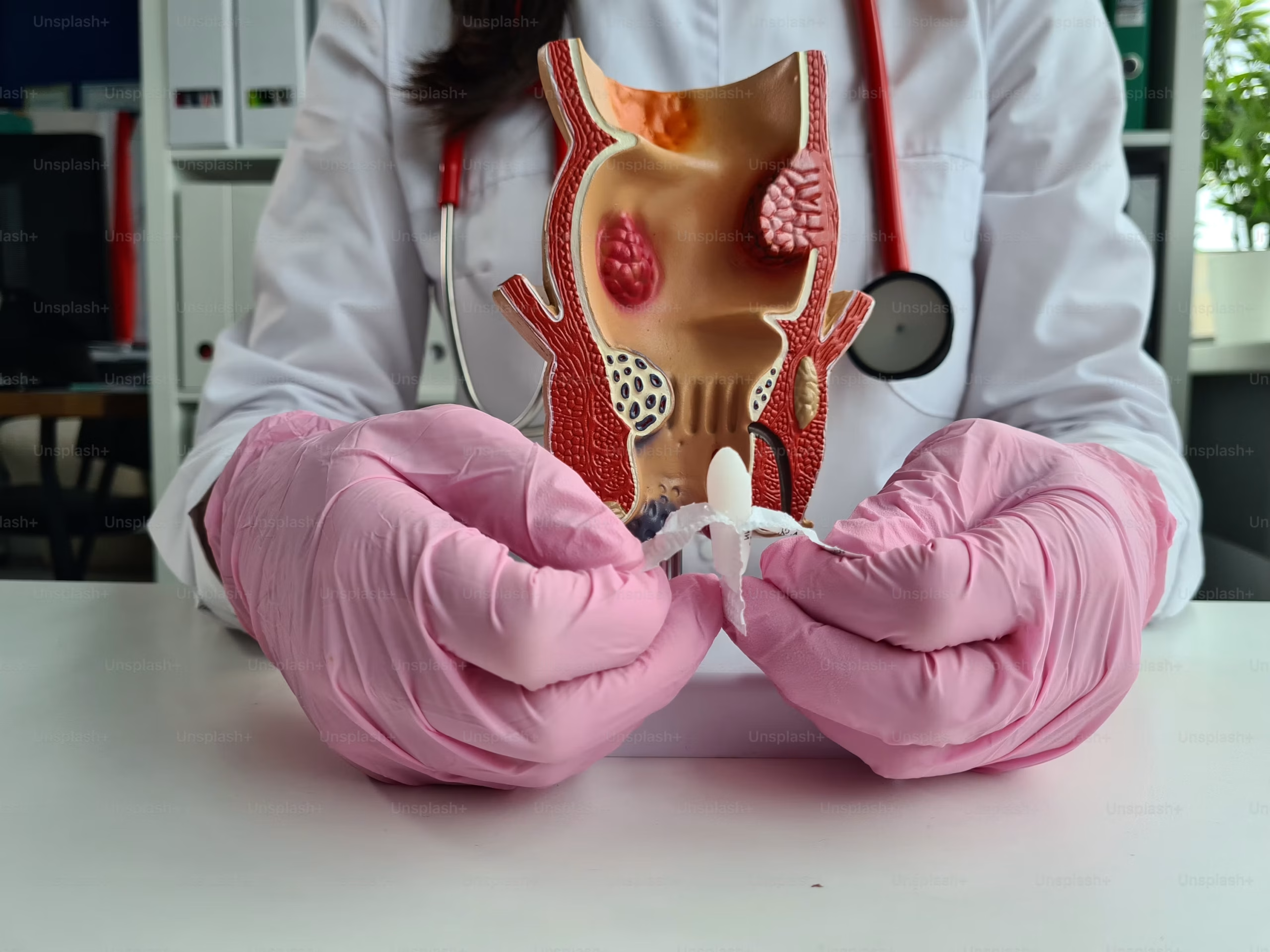
The bony base of the spine lying just beneath the natal cleft and sinus tract.

Trapped hair and debris trigger inflammation, forming a cyst or abscess here.
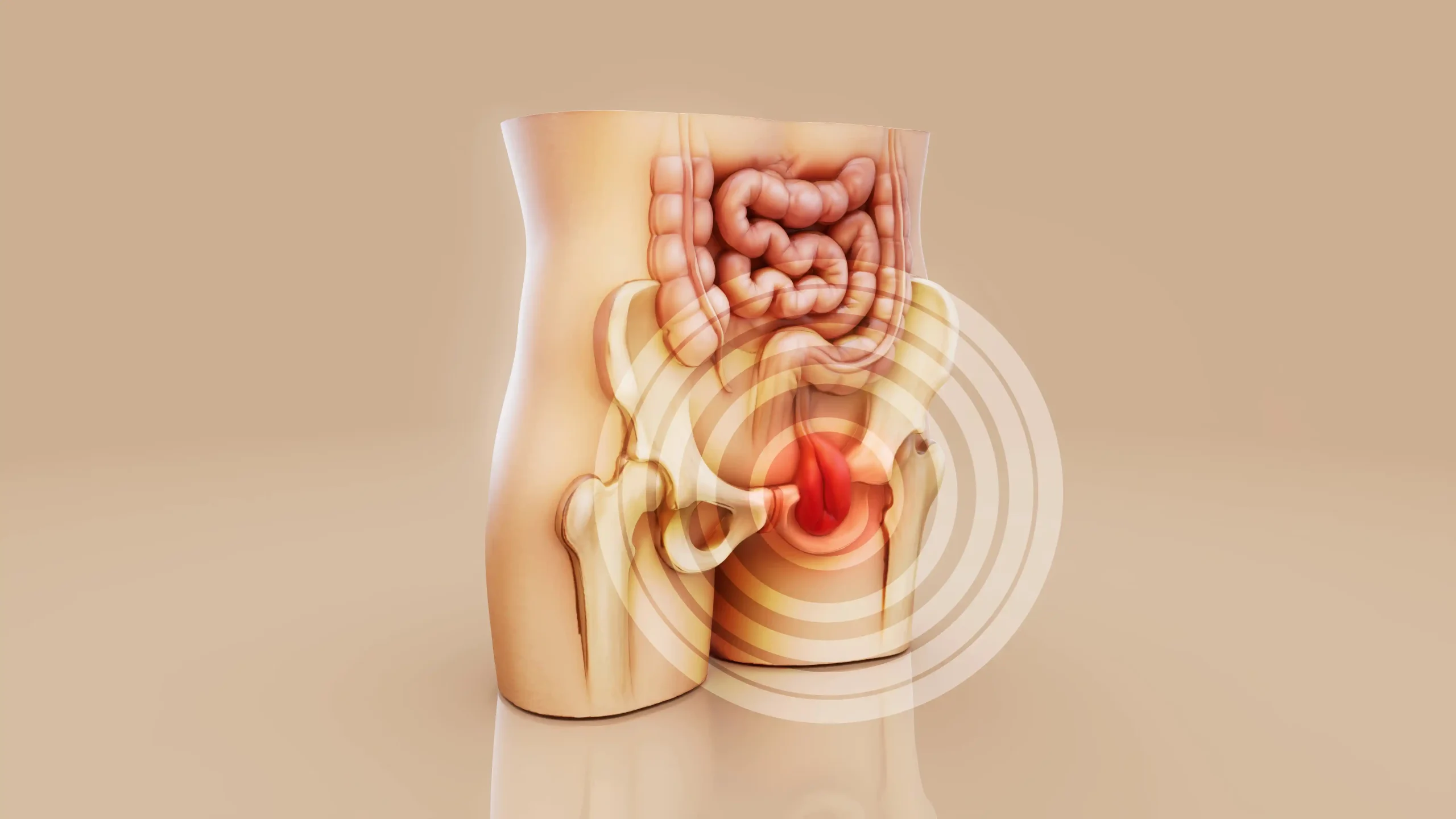
Pilonidal Sinus is primarily caused by trapped groups of hairs and debris in the pores of the skin in the upper buttock cleft, leading to abscess formation.
The risk factors include being :
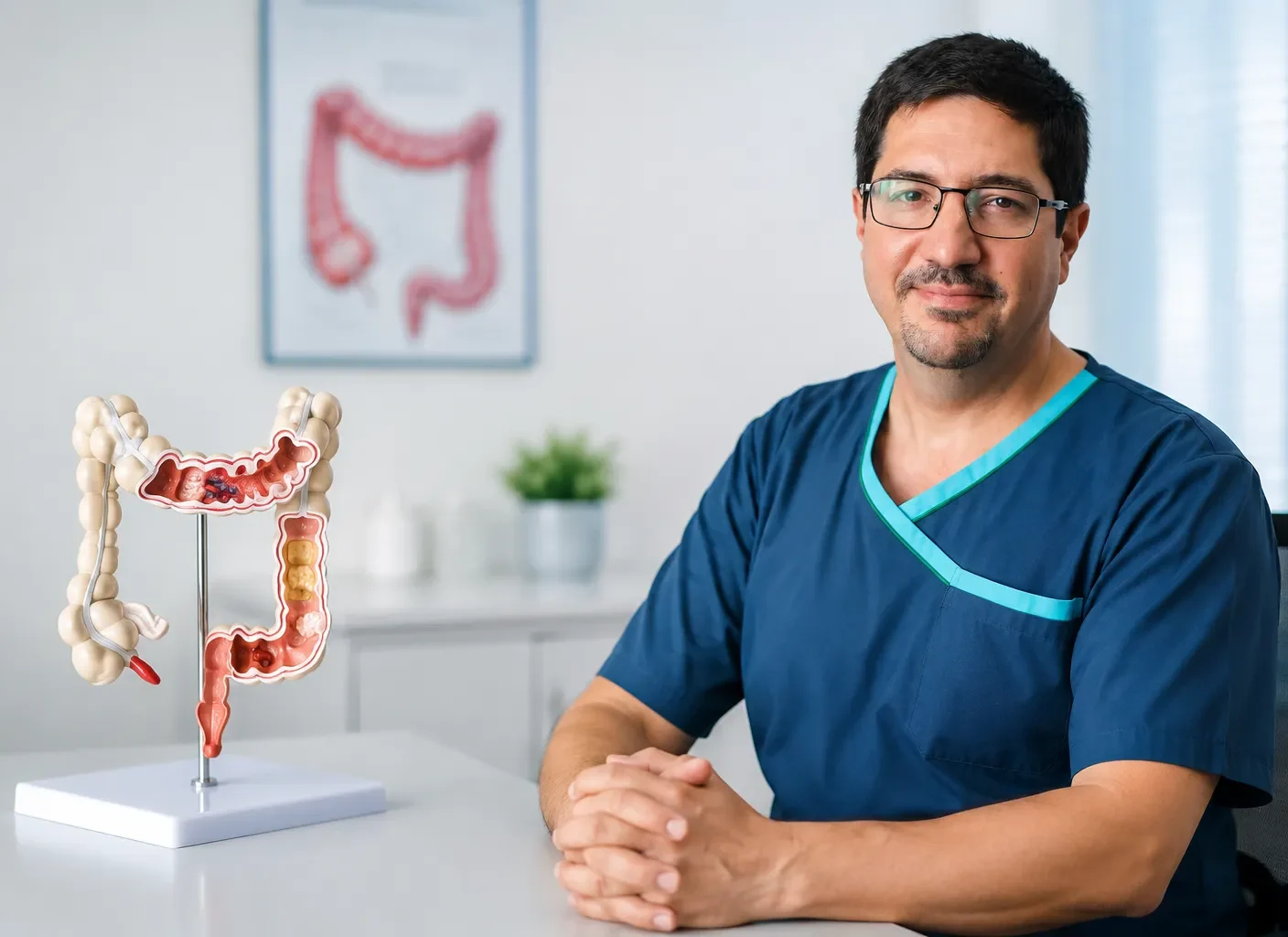
Therapeutic intervention depends entirely on tract complexity, tissue inflammation, and whether the presentation is primary or recurrent. As an accredited Pilonidal Cyst Specialist in Dubai, Dr. Daniel Serralta provides definitive surgical care beyond temporary incision and drainage. By utilizing modern flap reconstructions and pit-sparing laser techniques, he performs Pilonidal Sinus Surgery in Dubai designed to eradicate deep subcutaneous channels, eliminate branching recurrence, and ensure comfortable, long-term wound healing.
This involves creating a small hole in the abscess to drain pus. Just for infected cases.

The sinus tract is removed, leaving an open cavity to heal naturally. This obsolete method requires daily packing, prolongs recovery up to five months, and carries high wound infection rates.
Involves excising the cyst tract and suturing midline edges directly. Midline tension frequently leads to suture breakdown, poor tissue vascularity, and high rates of disease relapse long term.

The definitive surgical standard for chronic tracts, utilizing an off-midline flap like Karydakis to flatten the cleft, relieve tissue tension, accelerate healing, and minimize recurrence.

An endoscope visualizes the natal tunnel to debride hairs and cauterize infected lining. While minimally invasive with fast recovery, long-term recurrence rates require further clinical trials.
A gentle, tissue-preserving technique targeting only visible skin pits and underlying tracts under local anaesthetic. It minimizes healthy tissue loss and suits mild or early-stage presentations.
Employs radial laser energy to ablate the infected epithelial tract and seal channels without wide incisions. It offers quick healing and low pain, serving as an effective modern day-case option.

Clean the surgical site as per your surgeon’s instructions, avoiding harsh scrubbing.
Change dressings regularly to maintain cleanliness.
Manage pain with prescribed medications to aid comfort and mobility.
Gradually increase activity as advised, avoiding strenuous activities.
Maintain a balanced diet including leafy vegetables, legumes and fiber and stay hydrated for proper healing.
Watch for signs of infection like increased pain, swelling, warmth, redness, or drainage.
Monitor for a persistent fever, which could indicate complications.
Be alert to wound dehiscence (opening up) and report it promptly.
Report any purulent or foul-smelling discharge from the wound.
Consult your surgeon if wound healing seems delayed.
Book a confidential consultation and get a clear, honest plan for your condition.
The cost of pilonidal sinus surgery in Dubai varies depending on the specific procedure and your individual requirements. Dr. Daniel Serralta de Colsa has broad experience in advanced pilonidal surgery and offers competitive pricing for these treatments. During your consultation, a detailed cost estimate is provided based on your unique case.
Patients typically notice a tender, swelling lump near the natal cleft that causes sharp discomfort while sitting. In complex presentations, consulting a dedicated Pilonidal Cyst Specialist in Dubai ensures proper clinical evaluation when discharging sinuses or deep, painful pits develop without a visible bulge.
Persistent localized tenderness, bloody discharge, or foul-smelling drainage indicates the need for structured Pilonidal sinus treatment in Dubai. A physical exam determines whether the presentation is an acute localized abscess or an extensive subcutaneous tunnel system.
Friction, deep natal cleft anatomy, and ingrown hair follicles create continuous tissue stress. If previous treatments failed to flatten the cleft or excise branching pits, managing Recurrent pilonidal sinus disease (PNS) requires advanced off-midline flap reconstruction to halt repetitive cycles permanently.
For severe or recurring cases, choosing the Best Pilonidal Cyst Surgery in Dubai involves tailored approaches such as the Modified Karydakis flap or targeted laser tract ablation to minimize downtime and prevent midline wound breakdown.
The overall Pilonidal Sinus Surgery Cost in Dubai depends on the surgical method chosen, tract complexity, operating room requirements, and health insurance authorization, with full cost transparency provided prior to the procedure.
Most cases are accurately diagnosed via clinical examination, though high-resolution ultrasound or pelvic MRI may be arranged to map branching subcutaneous tracts and assess deep tissue involvement before theatre.
Modern, minimally invasive Tailbone cyst Removal in Dubai allows normal walking immediately and work resumption within days, entirely avoiding lengthy, painful open-wound packing regimens.
Embedded hair follicles maintain continuous inflammation that antibiotics cannot cure. Undergoing definitive Pilonidal Sinus Surgery in Dubai safely eradicates the underlying infected epithelial tunnel.
Prompt, confidential appointments at Saudi German Hospital, Dubai. Reach out however you feel most comfortable.
Urgent medical inquiries? Call +971 56 805 4323 or send a message on WhatsApp for quick coordination.
Fill in your details and the clinic will contact you to confirm.
Your information is private and confidential.