Postpartum Constipation After C-Section: When to Consider a Colon or Rectal Check-Up
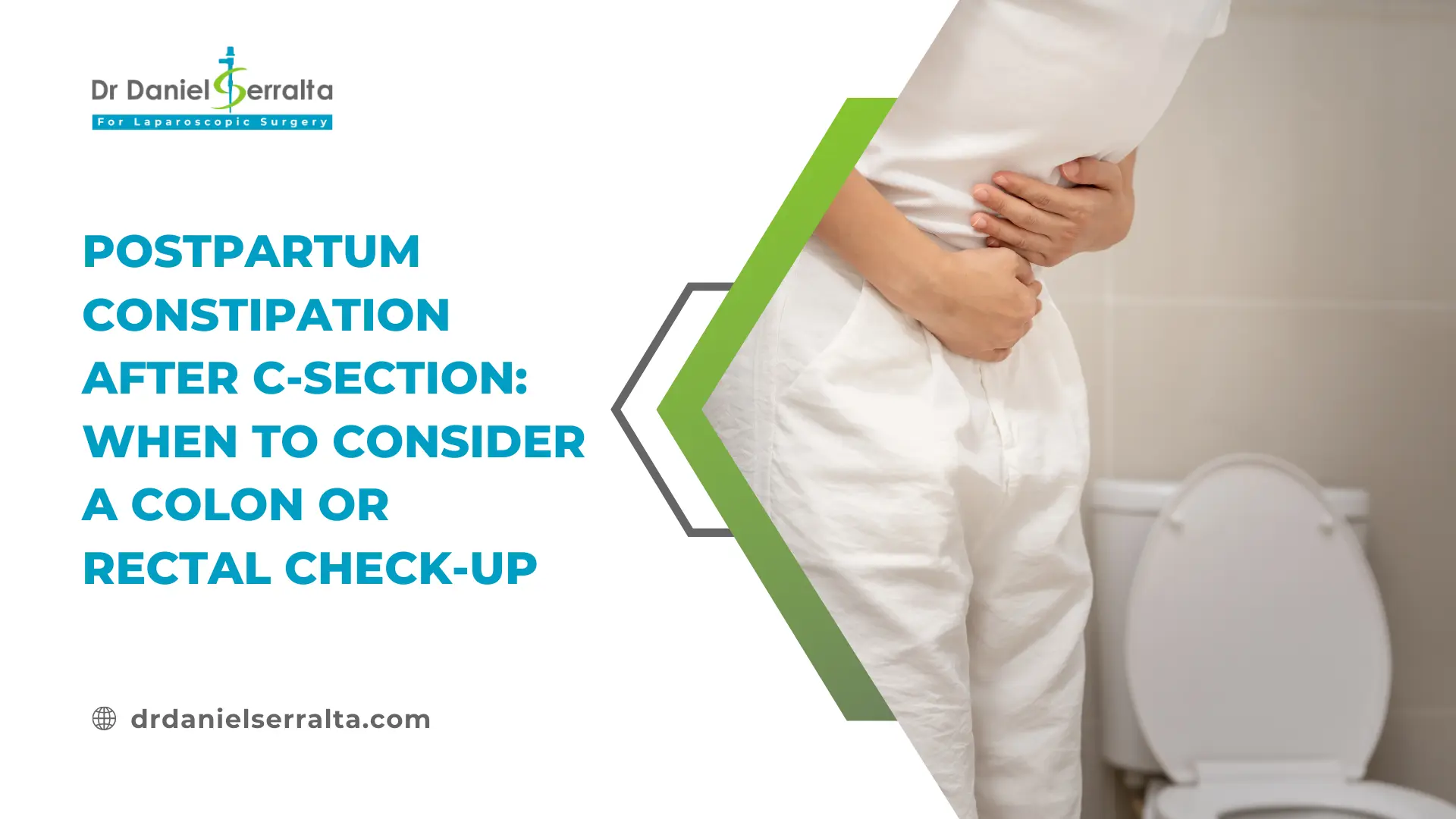
Postpartum constipation is very common, particularly after a cesarean section (C-section). Many new mothers experience painful bowel movements, abdominal bloating, or difficulty passing stool during the early weeks after delivery. In most cases, mild constipation after a C-section improves gradually as the body recovers. However, when symptoms are persistent, severe, or progressively worsening, they may indicate an underlying colon or rectal condition that requires medical evaluation.
This article explains the causes of postpartum constipation after C-section, outlines warning signs that should not be ignored, and clarifies when a colon or rectal check-up is recommended.
Understanding Postpartum Constipation After a C-Section
Constipation after a C-section often begins within the first few days following surgery. Several factors slow bowel activity during this period, including:
- Spinal or general anesthesia
- Postoperative pain medications (especially opioids)
- Reduced physical mobility
- Abdominal discomfort and fear of straining
Many women feel anxious about their first bowel movement after surgery, which can further delay evacuation. While this early phase is usually temporary, constipation that persists or causes significant pain should not be ignored. Excessive straining during recovery can place unnecessary stress on healing abdominal muscles and the pelvic floor.
Why Postpartum Constipation Should Not Be Ignored
Ongoing constipation can lead to a cycle of pain, anxiety, and worsening bowel dysfunction. When bowel habits fail to normalize, it may signal delayed gastrointestinal recovery or pelvic floor involvement.
Persistent constipation after a C-section may be associated with:
- Pelvic floor dysfunction
- Hemorrhoids
- Rectocele or impaired rectal emptying
- Functional outlet obstruction
Although occasional difficulty is common, constipation lasting several weeks requires medical assessment to prevent progression to chronic constipation after pregnancy.
Common Causes of Constipation After C-Section
Several physiological and lifestyle factors contribute to postpartum constipation. Understanding these helps distinguish normal recovery from a problem requiring attention.
Common causes include:
- Pain medications that slow intestinal movement
- Residual effects of anesthesia
- Limited mobility during early recovery
- Dehydration, particularly during breastfeeding
- Low dietary fiber intake
- Fear of pain while pushing
- Hormonal changes affecting gut motility
These factors usually improve with time. However, if constipation does not respond to basic measures, further evaluation may be necessary.
Warning Signs That Postpartum Constipation Is No Longer Normal
While mild constipation is expected, certain symptoms suggest the need for specialist review. These include:
- Persistent sensation of blockage or obstruction
- Daily straining to pass stool
- Hard or pellet-like stools
- Pain or significant pressure during bowel movements
- Blood in or on the stool
- Sensation of incomplete evacuation
- Rectal bulging or pressure
- Constipation lasting longer than 4–6 weeks
These symptoms may indicate a functional or structural issue involving the colon or rectum.
When Postpartum Constipation Requires a Colon Check-up
If C-section constipation are going on for more than a month, I highly suggest visiting a Colon Specialist in Dubai. Long-term constipation may indicate that there are those sorts of problems in the colon that require a thorough examination before they become bigger ones.
A colon check-up should be considered if:
- Chronic constipation continues beyond the early postpartum period
- Stool consistency remains hard despite adequate fiber and fluids
- Laxatives provide only temporary relief
- Constipation is associated with abdominal pain or bloating
- Bowel dysfunction limits normal activity
Early assessment helps identify the underlying cause and prevents long-term complications.
When to Consider a Rectal Check-Up After C-Section Constipation
Some mothers may experience a sensation of pressure, heaviness, or difficulty in pushing during their bowel movements. These symptoms of Postpartum Constipation can be associated with the supportive structures of the rectum changing after a vaginal delivery or getting surgery. Hence, at this point, it is very important to consult a Rectal Prolapse Doctor in Dubai.
A rectal examination may be appropriate if you experience:
- A constant feeling that stool is trapped in the rectum
- Difficulty evacuating even soft stool
- Rectal pressure or bulging sensation
- Episodes of stool leakage or incomplete control
These findings do not necessarily indicate rectal prolapse, but they do warrant professional evaluation.
Treatment Options for Postpartum Constipation
Management is individualized and usually progresses step by step, depending on symptom severity and underlying cause.
1. Dietary Measures
- Gradual increase in dietary fiber
- Inclusion of fruits such as prunes, pears, and apples
- Adequate intake of vegetables and whole grains
- Proper hydration, especially during breastfeeding
2. Mobility and Gentle Activity
Early walking and light movement stimulate bowel activity and support overall recovery.
3. Pelvic Floor Support
Pelvic floor physiotherapy can be beneficial for women with evacuation difficulty or pelvic floor weakness.
4. Medications When Needed
Stool softeners or gentle laxatives may be prescribed when lifestyle measures are insufficient. These are selected carefully to be safe during the postpartum period.
5. Addressing Structural or Functional Problems
If a colon or rectal condition is identified, targeted treatment can be planned early, improving outcomes and preventing chronic symptoms.
Take Control of Your Postpartum Recovery
In case your bowel movements are still irregular or your constipation is significantly uncomfortable, I strongly advise you to consider a different route. I help with innovative methods for the Constipation After C-Section that require the most attention like those of the colon through my expert services as a Colon Specialist in Dubai.
Moreover, if your signs indicate alterations of the rectum, I am here with a full range of available treatments that can be individually adjusted, for example, for mothers after delivery, as a Rectal Prolapse Doctor in Dubai.
Do not allow postpartum constipation to make your recovery more difficult. Schedule your appointment now and bring back your well-being through professional care.
Conclusion
Postpartum constipation after a C-section is common, but it should not be overlooked when symptoms persist or cause significant discomfort. Understanding warning signs and seeking timely medical advice can protect both colon and rectal health and prevent long-term complications.
Early support leads to faster recovery, greater comfort, and improved quality of life during the postpartum period.
Frequently Asked Questions
1. How long does constipation last after a C-section?
It usually resolves within a few days to a couple of weeks. Constipation lasting longer than 4–6 weeks should be evaluated.
2. Is constipation after a C-section normal?
Yes. It is common due to anesthesia, pain medication, and reduced mobility, but persistent symptoms are not normal.
3. When should I see a specialist?
If constipation is ongoing, painful, or associated with pressure, blockage, or incomplete evacuation, specialist evaluation is recommended.
4. Can chronic constipation after pregnancy cause rectal problems?
Yes. Persistent straining can worsen pelvic floor dysfunction and contribute to rectal symptoms.
5. Are treatments safe while breastfeeding?
Most dietary measures and prescribed stool softeners are safe, but treatment should always be individualized.