Postpartum Hernia: Causes, Symptoms and Treatment

Postpartum hernia is more common than many women realize. In clinical practice, many new mothers report persistent pain, discomfort, or a visible bulge in the abdomen after delivery, often assuming it is part of normal postnatal recovery. While these symptoms may initially seem mild, they frequently indicate an underlying abdominal wall weakness that should be medically assessed. Early recognition of postpartum hernia symptoms allows timely treatment and helps prevent complications.
This article explains what postpartum hernia is, why it develops after pregnancy or cesarean delivery, how to recognize warning signs, and when treatment— including surgery—may be necessary.
What Is a Postpartum Hernia?
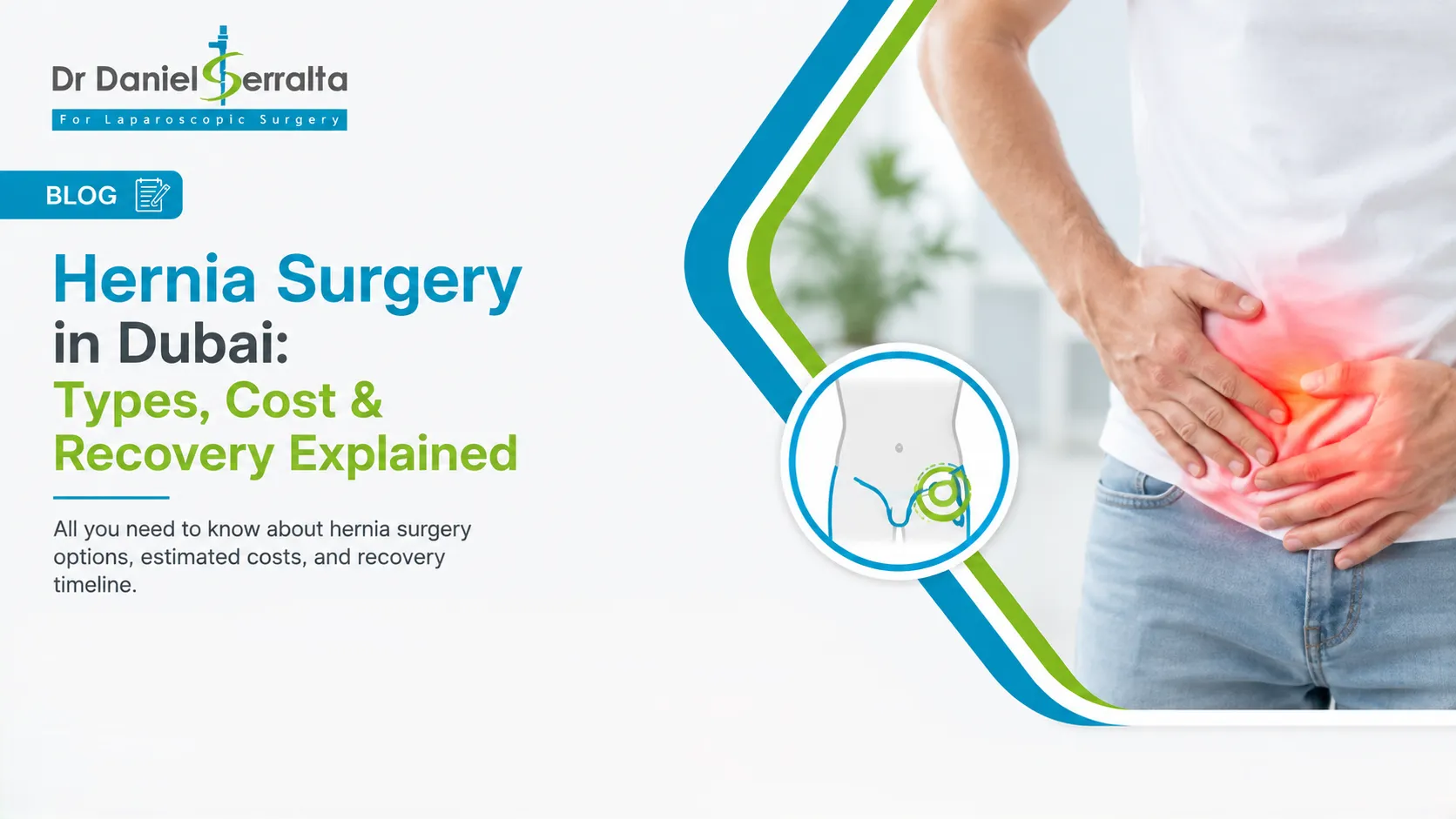
A postpartum hernia occurs when abdominal tissue or internal organs protrude through weakened abdominal muscles following pregnancy. This condition can affect women after vaginal delivery as well as those who have undergone a C-section, with incisional hernias being more common after surgical delivery.
During pregnancy, the abdominal wall stretches significantly to accommodate the growing uterus. This stretching can weaken or separate the muscles, and if the abdominal wall does not recover adequately after delivery, a hernia may form.
Common types of postpartum hernia include:
- Incisional hernia (at the C-section scar)
- Umbilical hernia (around the belly button)
- Ventral hernia (elsewhere along the abdominal wall)
Although these hernias may appear different, they share similar symptoms, risks, and patterns of progression.
Causes of Postpartum Hernia
Postpartum hernia typically results from a combination of increased internal pressure and weakened abdominal muscles. Common contributing factors include:
- Incomplete healing of a C-section incision
- Excessive stretching of the abdominal wall during pregnancy
- Early physical strain before full recovery
- Lifting heavy objects while caring for a newborn
- Chronic coughing, sneezing, or constipation
- Previous abdominal surgery or hernia
- Significant weight gain during pregnancy
These factors compromise abdominal wall strength and increase the risk of developing hernia symptoms in the weeks or months following childbirth.
Common Postpartum Hernia Symptoms
Early symptoms may be subtle and are often mistaken for normal post-delivery discomfort. Typical postpartum hernia symptoms include:
- A soft or visible bulge near the belly button or surgical scar
- Pain that worsens with coughing, lifting, or bending
- A pulling, burning, or aching sensation in the abdomen
- A feeling of pressure or heaviness in the midsection
- Swelling around the C-section scar
- Discomfort that increases toward the end of the day
- Difficulty standing or walking for long periods
If the bulge enlarges or pain persists, the hernia may be progressing and should be evaluated.
Symptoms of Hernia After C-Section You Should Not Ignore
After a C-section, hernia symptoms often develop near or above the incision site. Warning signs include:
- A noticeable bulge that becomes more prominent when standing or straining
- Localized pain around the surgical scar
- Tenderness or redness at the incision area
- A sensation of pulling or separation in the lower abdomen
- Difficulty lifting the baby due to abdominal discomfort
Worsening symptoms of hernia after c-section suggest enlargement of the hernia and increase the need for medical treatment.
How Postpartum Hernia Is Diagnosed
Accurate diagnosis is essential to guide appropriate management. Evaluation typically includes:
Physical examination: The size, location, and reducibility of the hernia are assessed to determine whether it is incisional, umbilical, or ventral.
Imaging studies, such as Ultrasound or CT scan, may be used to evaluate:
- The extent of muscle separation
- The size of the abdominal wall defect
- Whether fat or intestine is involved
- Abdominal wall assessment
- Muscle strength and overall abdominal support are evaluated to help determine treatment options.
Untreated symptoms of hernia after C-section may enlarge over time and, in rare cases, become incarcerated or strangulated, which constitutes a surgical emergency.
Postpartum Hernia Treatment Options
Postpartum Hernia Treatment is individualized based on hernia size, symptoms, and the stage of postpartum recovery.
Conservative management for small hernias:
- Abdominal support binders
- Physiotherapy and guided core strengthening
- Activity modification and lifestyle adjustments
These measures may reduce discomfort but do not repair the hernia defect.
Postpartum hernia surgery for moderate to large hernias, Hernia Surgery in Dubai is recommended when the hernia is painful, enlarging, or interferes with daily activities. Modern minimally invasive techniques allow:
- Smaller incisions
- Reduced postoperative pain
- Faster recovery
- Minimal scarring
- Durable long-term results
The timing and approach to surgery are carefully planned by Hernia Specialist in Dubai, particularly for women recovering from childbirth.
When Postpartum Hernia Surgery Is Recommended
Surgical repair is generally advised if:
- Pain is persistent or worsening
- The bulge continues to enlarge
- There is concern for bowel obstruction
- Daily activities become difficult
- Physical strain significantly aggravates symptoms
Timely postpartum hernia surgery is safe and effective, even for young mothers.
Why Postpartum Hernia Should Not Be Ignored
A postpartum hernia does not resolve spontaneously. Without treatment, it may gradually increase in size and potentially lead to complications such as:
- Severe pain
- Intestinal entrapment
- Reduced blood supply to herniated tissue
- Infection or emergency surgery
Early diagnosis and appropriate postpartum hernia treatment significantly reduce these risks.
Conclusion
Postpartum hernia is a common yet frequently overlooked condition following pregnancy and delivery. Symptoms of hernia after c-section usually results from abdominal muscle weakening, surgical incisions, or physical strain during recovery. With early diagnosis and an appropriate treatment plan, outcomes are excellent and recovery is smooth. Women are encouraged to listen to their bodies and seek medical advice if they notice persistent pain, bulging, or discomfort. Addressing the problem early is the most effective way to protect long-term abdominal health.
Frequently Asked Questions
1. Why do some women develop a hernia after pregnancy or C-section?
Abdominal muscles weaken during pregnancy and may not fully heal after a C-section, allowing a hernia to develop.
2. Are hernias common after childbirth?
Yes. Pregnancy increases abdominal pressure and muscle stretching, raising the risk of postpartum hernias.
3. What causes an umbilical hernia after pregnancy?
Weakness around the belly button combined with pregnancy-related pressure is the main cause.
4. How can I tell if I have a postpartum hernia?
Common signs include a bulge, abdominal discomfort, or pain that worsens with lifting or straining.
5. Is surgery always required for a postpartum hernia?
Not always. Small, asymptomatic hernias may be monitored, but larger or painful hernias usually require repair.
6. Can a postpartum hernia be treated safely?
Yes. Modern surgical techniques offer safe, effective treatment with quick recovery when indicated.