
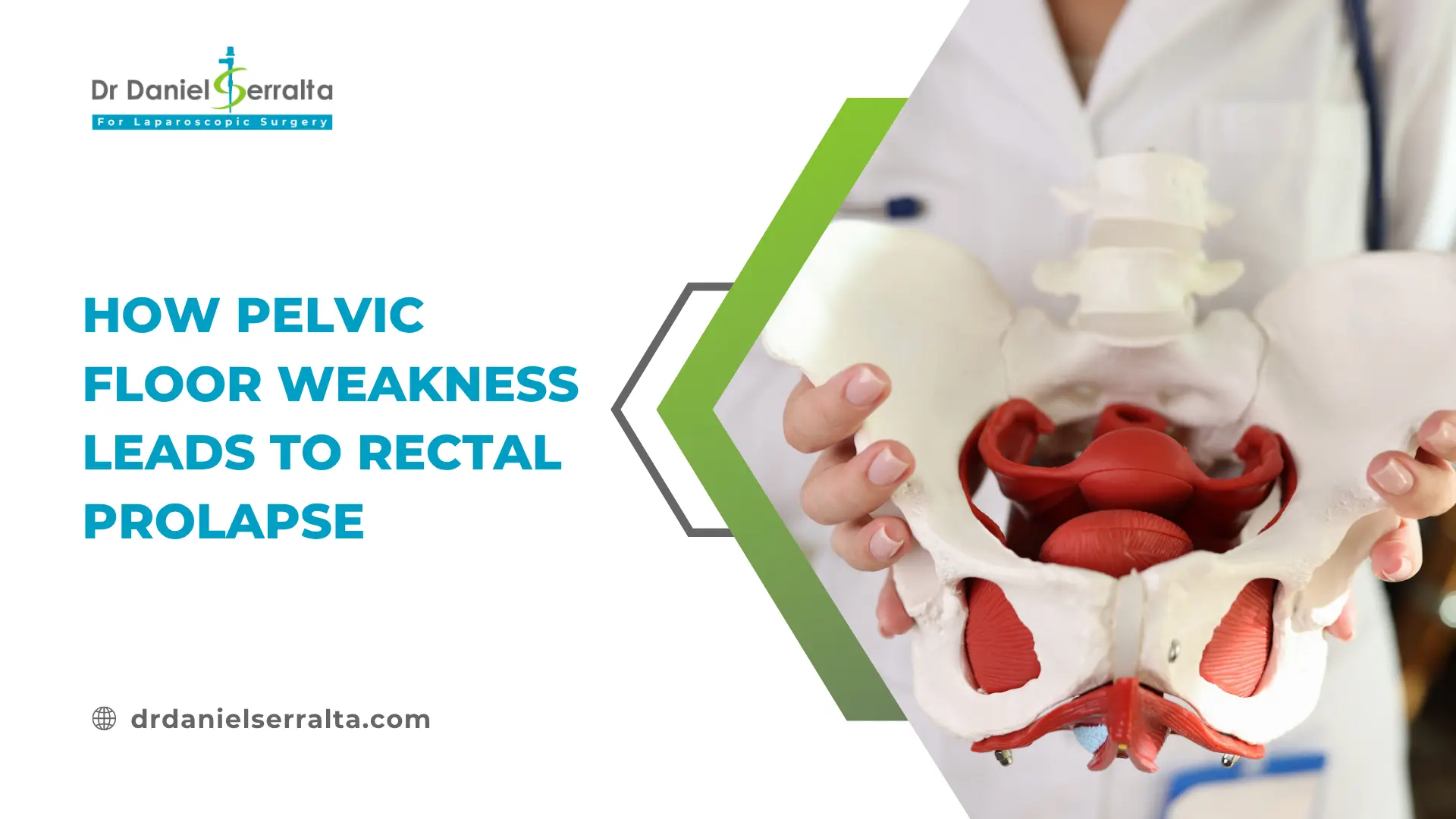
Quite a few people don’t really understand the role of the pelvic floor until they start experiencing issues. Pelvic Floor weakness is a major and very common health problem that is often ignored and it can cause very serious conditions such as rectal prolapse.
If the muscles of the pelvic floor become weak, they won’t be able to hold the rectum well enough. Eventually, the rectum can fall out of its proper place; this is what is called rectal prolapse. In this post, I explain in simple terms the process of rectal prolapse due to Pelvic Floor Weakness, the signs that indicate a person may have rectal prolapse and the best rectal prolapse treatment options available today.
Pelvic Floor Weakness: The Root Cause of Rectal Prolapse
The pelvic floor consists of various muscles that provide support to the rectum, bladder, and other pelvic organs. Strong pelvic muscles hold everything in place. Pelvic floor weakness however, disrupts this balance.
When the muscles become weak, they fail to hold the rectum tightly. That is the beginning of pelvic floor weakness rectal prolapse.
Several factors contribute to the weakness of the pelvic floor, including:
- Pregnancy and childbirth
- Chronic constipation
- Straining during bowel movements
- Aging
- Previous pelvic surgery
Over time, repeated pressure on weakened muscles increases the risk of rectal prolapse.
How Pelvic Floor Weakness Leads to Rectal Prolapse
When pelvic floor weakness occurs, the muscles become so weak that they can’t even support the rectum. And with every bowel movement, where one has to push or strain, the pressure forces the rectum downward.
At first, the rectum may only descend a little. However, if one keeps on straining and the muscles become weaker, the problem gets worse. In the end, a piece of the rectum might even stick out from the anus.
That is what rectal prolapse is. Weak pelvic floor and rectal prolapse are very much related. If the muscles don’t support the rectum, the rectum won’t be able to stay where it normally is.
Pelvic Floor Weakness Symptoms You Should Not Ignore
Early detection is very important. Recognizing pelvic floor weakness symptoms can help prevent progression to rectal prolapse.
Common symptoms include:
- Feeling of heaviness in the pelvic area
- Difficulty controlling bowel movements
- Chronic constipation
- Straining during bowel movements
- A sensation of incomplete evacuation
As the condition progresses, patients may notice:
- A visible bulge from the anus
- Mucus discharge
- Discomfort or pain
- Worsening bowel control
Ignoring these symptoms can lead to complications. Early evaluation is essential for the initiation of.
Who Is at Higher Risk?
Certain individuals are more likely to develop Pelvic Floor Weakness and rectal prolapse. Risk factors include:
- Women after multiple childbirths
- Elderly individuals
- People with chronic constipation
- Patients with neurological conditions
- Individuals who frequently lift heavy weights
Lifestyle factors also play a role. Poor diet, low fiber intake and prolonged sitting can contribute to muscle weakening. Understanding these risks helps in early prevention.
Diagnosis: How These Problems Can Be Identified
When patients come to me with Pelvic Floor Weakness symptoms, I perform a detailed evaluation.
This may include:
- Physical examination
- Assessment of pelvic muscle strength
- Imaging tests when required
- Colon or rectal evaluation
The goal is to confirm whether Pelvic floor weakness and rectal prolapse are present and to determine their severity. Accurate diagnosis ensures the right treatment plan.
Pelvic Floor Weakness Treatment Options
Treatment depends on the severity of the condition. In the early stages, pelvic floor weakness treatment may include:
- Pelvic floor exercises (Kegel exercises)
- Dietary changes to prevent constipation
- Increased fiber and hydration
- Lifestyle modifications
These methods help strengthen muscles and reduce strain. However, when rectal prolapse develops, conservative treatment may not be enough.
Rectal Prolapse Treatment: When Surgery Is Needed
For advanced cases, surgical rectal prolapse treatment becomes necessary. Surgery aims to:
- Restore the rectum to its normal position
- Strengthen pelvic support
- Prevent recurrence
Modern surgical techniques are safe and effective. Many procedures can be performed using minimally invasive methods, which allow faster recovery. If you are experiencing symptoms, consulting an experienced Rectal Prolapse Doctor Dubai can help you understand the best treatment approach for your condition.
Can Pelvic Floor Weakness Be Prevented?
In many cases, Pelvic Floor Weakness can be prevented or delayed. Simple steps include:
- Maintaining a high-fiber diet
- Avoiding straining during bowel movements
- Practicing pelvic floor exercises regularly
- Managing body weight
- Staying physically active
These measures help maintain muscle strength and reduce pressure on the pelvic floor. Prevention is always better than treatment.
Take the First Step Toward Recovery
If you are experiencing symptoms of Pelvic Floor Weakness or signs of rectal prolapse, do not delay evaluation. Early diagnosis can prevent complications and make treatment more effective.
I offer advanced and personalized rectal prolapse treatment options tailored to each patient’s condition. With modern techniques and a patient-focused approach, I aim to restore both function and comfort.
Learn more about your treatment options by consulting an experienced Rectal Prolapse Doctor Dubai and take the first step toward better health today.
Conclusion
Pelvic Floor Weakness is one of the primary causes of rectal prolapse. If these muscles weaken, they can no longer hold the rectum in place, which results in the rectum being pushed out. Recognizing symptoms of a weak pelvic floor and getting treatment early is a good way to avoid major complications.
If the condition is only mild, changes in lifestyle and regular exercises may suffice however, in case of severe conditions, surgery for rectal prolapse might be necessary. Identifying the problem on time and choosing the proper course of treatment will bring back normal functioning and can significantly enhance the quality of life.
Frequently Asked Questions
1. What causes Pelvic Floor Weakness?
Common causes include pregnancy, aging, chronic constipation, and repeated straining during bowel movements.
2. Can Pelvic Floor Weakness lead to rectal prolapse?
Yes. Pelvic Floor Weakness rectal prolapse is a well-established connection. Weak muscles cannot support the rectum properly.
3. What are early pelvic floor weakness symptoms?
Symptoms include pelvic heaviness, constipation, and difficulty controlling bowel movements.
4. Can pelvic floor weakness be treated without surgery?
Yes. Early stages can often be managed with pelvic floor weakness treatment like exercises and lifestyle changes.
5. Where can I get expert rectal prolapse treatment?
Consulting a specialist, such as a Rectal Prolapse Doctor in Dubai, ensures accurate diagnosis and advanced treatment.
6. Is surgery always required for rectal prolapse?
No. Surgery is usually recommended for advanced cases. Mild cases may improve with non-surgical management.