
A diet after gallbladder removal usually starts with clear liquids, then moves to soft, low-fat foods in small meals. Over the first days, you can progressively add other foods, and may return to a regular diet within 2-3weeks.
No single official diet exists for this stage, so plans vary from person to person. This guide covers what to eat after gallbladder removal, what to limit, and which symptoms need a call to your doctor.
Diet After Gallbladder Removal: What to Eat
After gallbladder removal, start with clear liquids and soft, low-fat foods. Eat small meals, add lean protein, cooked vegetables, and whole grains gradually, and limit fried, greasy, and processed foods at first. Many people return to a regular diet within about a month, but timing varies, so follow your surgeon’s advice.
Why Digestion Changes
The gallbladder stores bile, a fluid that helps break down fat. Without it, bile flows from the liver into the intestine in a steady trickle instead of being released in a burst at mealtime. The body often adapts, but a large or greasy meal can overwhelm that steady flow. Bloating, gas, and loose stools can be the result. Fat is not the enemy, though. Your body still needs some fat to absorb vitamins A, D, E, and K, so the goal is moderation and good timing, not removing all fat from your plate.
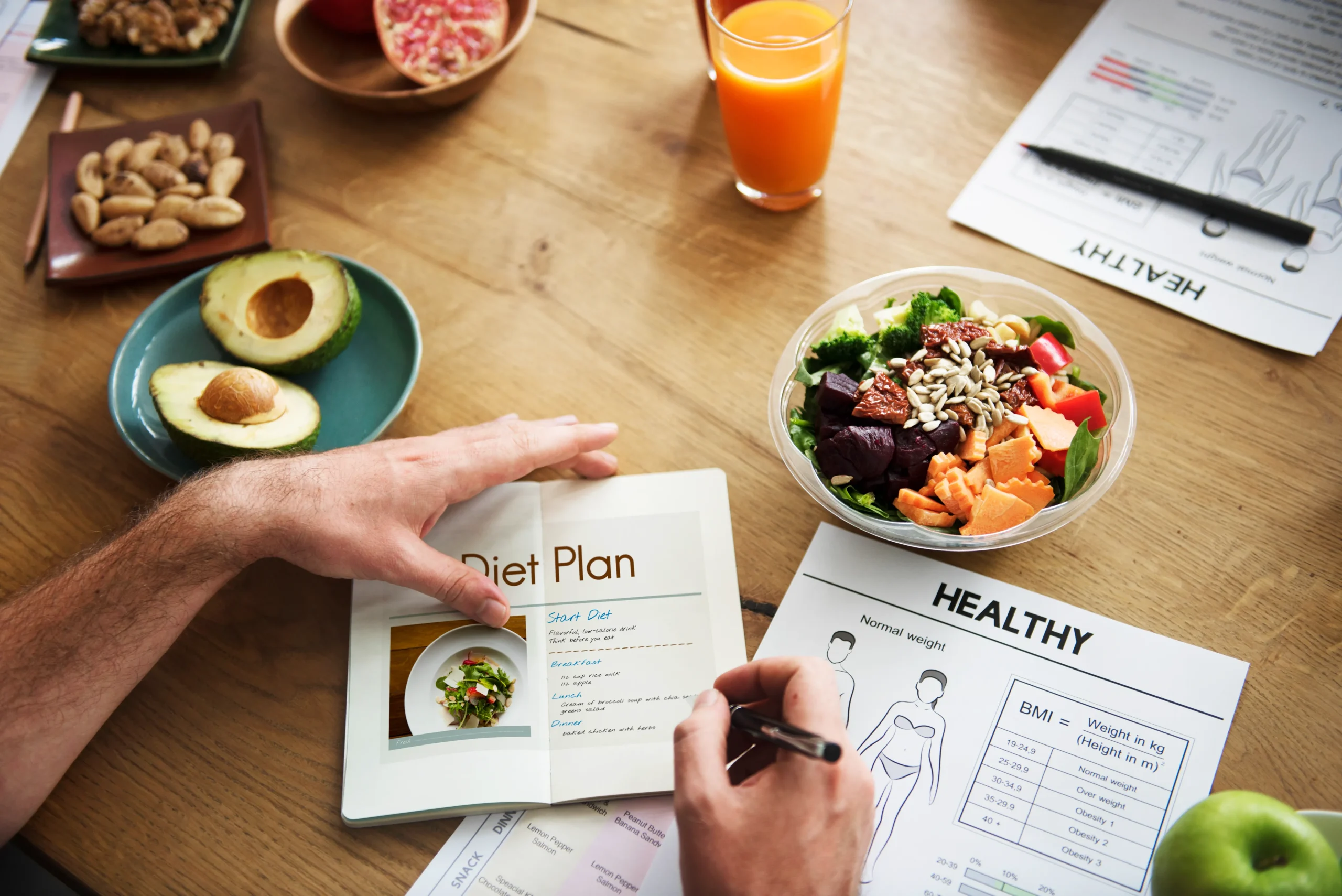
Diet After Gallbladder Surgery: A Stage-by-Stage Plan
Hospitals differ, and your surgeon’s instructions come first. Many care teams follow a similar path:
- Begin with clear liquids, such as broth, water, and diluted juice immediately after surgery.
- Move to full liquids and soft foods as nausea settles
- Add small portions of low-fat solid foods
- Return to a regular, balanced diet as your body allows, often within less than a month.
Recovery from gallbladder surgery commonly takes three to four weeks, though some people need longer. Rushing the process may bring back cramping, diarrhea, or bloating. If a food causes trouble, pause it and try again a week or two later.
Foods to Eat After Gallbladder Removal
Choose foods that are easy to digest and low in fat. Here are groups that tend to sit well.
Lean Proteins
- Skinless chicken or turkey, baked or poached
- White fish, steamed or grilled
- Egg whites
- Low-fat beans, such as black or pinto, once you tolerate fiber
Fruits, Vegetables, and Grains
- Cooked carrots, squash, and zucchini
- Bananas, applesauce, and melon
- Oatmeal, rice, and whole-grain bread
- Low-fat or fat-free yogurt, if dairy agrees with you
Fluids
- Drink water throughout the day. Broth and herbal tea also count. Fluids matter more if you have loose stools, because diarrhea can cause fluid loss.
Foods to Avoid After Gallbladder Removal
High-fat foods are the main concern. Because bile no longer gathers in a reserve, a rich meal may cause pain, urgency, or diarrhea.
Limit or avoid these at first:
- Fried foods: French fries, fried chicken, doughnuts
- Fatty meats: Bacon, sausage, ribs, and skin-on poultry
- Full-fat dairy: Cream, butter, cheese, and ice cream
- Processed foods: Pastries, chips, packaged snacks, and fast food
- Heavy sauces and oils: Creamy dressings and oil-heavy cooking
- Spicy foods: These may irritate the stomach in some people
- Caffeine and alcohol: Both can aggravate loose stools and an unsettled stomach
- Very sweet foods: Large amounts of sugar may worsen diarrhea
Gallbladder Removal Diet: Quick Comparison
| Food Group | Easier to Tolerate | Limit or Avoid at First | Reason |
| Protein | Skinless poultry, white fish, egg whites | Bacon, sausage, fatty cuts | Fat load can trigger diarrhea |
| Dairy | Fat-free milk, low-fat yogurt | Cream, butter, full-fat cheese | Full-fat dairy is harder to digest |
| Grains | Oatmeal, rice, whole-grain bread | Pastries, croissants, fried dough | Hidden fat in baked goods |
| Vegetables | Cooked carrots, squash, zucchini | Raw cruciferous vegetables early on | Fiber and gas may cause bloating |
| Fats and oils | Small amounts of olive oil | Deep-fried foods, heavy sauces | Large fat doses overwhelm bile flow |
Nutrients to Prioritize During Recovery
Healing places extra demands on your body. Focus on a few basics:
- Protein: Supports tissue repair. Choose lean sources and spread them across meals.
- Fluids: Replace what you lose, especially if stools are loose.
- Soluble fiber: Found in oatmeal, bananas, and applesauce, it may help firm stools.
- Vitamins and minerals: Colorful cooked vegetables and fruit provide a steady supply without heavy fat.
If your appetite is low, small snacks every few hours may work better than three set meals. Ask your care team before taking supplements, because needs differ from person to person.
Dairy and Lactose
Some people notice new trouble with milk or cheese after surgery. Fat content may be the cause, or lactose may be. Try fat-free or low-fat versions first. If symptoms continue, lactose-free options may help. A food journal makes the cause easier to spot.
Meal Habits That Ease Digestion
How you eat matters as much as what you eat. The Side effects of Eating Fatty Foods Post Gallbladder Removal can include abdominal pain, gas, bloating, and urgent loose stools. These effects tend to appear soon after a greasy meal. They are uncomfortable but are often manageable with smaller portions and lower-fat choices.
- Eat small, frequent meals. Five or six small meals are often easier than two or three large ones.
- Spread fat through the day. A little fat at each meal is gentler than one rich meal.
- Chew well and eat slowly. This reduces the load on the gut.
- Keep a food journal. Note what you ate, how much, and any symptoms. Patterns appear quickly.
- Cook with less oil. Bake, steam, grill, or poach instead of frying.
Eating Out and Social Meals
Restaurant food often hides extra oil and cream. You can still enjoy meals out with a few habits:
- Choose grilled, baked, or steamed dishes over fried ones
- Ask for sauces and dressings on the side
- Share rich dishes or take half home
- Skip the bread basket with butter early in recovery
- Order a starter-sized portion if the main course is large
Stay flexible in the first weeks. A plain meal at home is often easier on the gut than an untested restaurant dish.
A Sample Day of Eating
This is an example only, not a prescription. Adjust it with your care team.
- Breakfast: Oatmeal with banana and low-fat yogurt
- Snack: Applesauce and a slice of whole-grain toast
- Lunch: Baked chicken breast with rice and cooked carrots
- Snack: Melon or a small portion of plain crackers
- Dinner: Steamed white fish with squash and a little olive oil
- Evening: Herbal tea
Diet After Cholecystectomy: The Long View
Diet after cholecystectomy often relaxes over time. Most people can eat a normaldiet again within a few weeks. Some find that certain foods, such as very greasy meals, still cause trouble. Others notice no change in how they eat over time.
A balanced pattern helps in the long run. Focus on whole foods, vegetables, fruit, lean protein, and unsaturated fats such as olive oil, nuts, and seeds in modest portions. Gradual, steady weight management also supports digestive health. Avoid crash diets, since rapid weight loss may raise the risk of gallstones in the bile ducts.
Read more on Life After Gallbladder Removal to see how eating, energy, and daily routines tend to settle in the months after surgery.
Common Mistakes to Avoid
- Returning to a full diet too fast. A big, greasy meal in week one may cause a setback.
- Cutting all fat. Very low-fat eating can leave you short of key nutrients.
- Skipping meals. Long gaps may lead to overeating later, which strains digestion.
- Relying on cleanses or detox products. They lack evidence and may worsen diarrhea.
- Ignoring warning signs. Persistent symptoms deserve a medical check, not guesswork.
Weight Loss After Surgery
Some people lose weight after gallbladder removal because they eat less fat. That change may be welcome, but crash dieting carries risks. Aim for gradual, steady changes and discuss weight goals with your doctor.
When to Call Your Doctor
Mild gas, bloating, or loose stools are common in the early weeks. Some symptoms need medical review. Contact your doctor if you have:
- Fever or chills
- Severe or worsening abdominal pain
- Yellowing of the skin or eyes
- Persistent vomiting
- Dark urine or very pale stools
- Diarrhea that lasts for weeks or leads to dehydration
Persistent diarrhea can sometimes relate to bile acids reaching the colon. Doctors can check for this and, if needed, discuss gallbladder treatment options. Do not start medicines or supplements on your own. Keep your food journal handy, because notes on timing, portions, and symptoms help your doctor find the cause faster and adjust your plan with you.
Dr. Daniel Serralta can review your symptoms and discuss an eating plan that fits your situation. Individual results vary.
Smooth Your Recovery: Get Personalized Post-Surgical Dietary Guidance
Adjusting to life without a gallbladder does not have to be an endless cycle of trial, error, and digestive discomfort. While your body learns to handle a steady flow of bile, the right nutritional strategy can prevent painful setbacks, resolve lingering symptoms like chronic diarrhea or bloating, and safely transition you back to the foods you love.
If you are dealing with persistent digestive issues or simply want reassurance that your post-op healing is on the right path, clinical support makes all the difference. Schedule a follow-up consultation with Dr. Daniel Serralta today to evaluate your symptoms, fine-tune your recovery diet, and build an eating plan designed specifically for your body.
Conclusion
Gallbladder removal marks a shift in how your digestive system handles fat, but it does not mean a lifetime of strict deprivation. By taking a staged, mindful approach—starting with gentle, low-fat staples, adding fiber gradually, and pacing your meals—you give your digestive tract the time it needs to adapt. While mild digestive fluctuations are common in the early weeks, tracking your triggers and respecting your personal recovery timeline are the most effective ways to avoid setbacks. With patience, balanced nutrition, and timely medical guidance when unusual symptoms arise, you can look forward to a full, comfortable return to everyday eating.
Frequently Asked Questions:
1. What can I eat right after gallbladder surgery?
Many care teams start with clear liquids, such as broth and water. Soft, low-fat foods usually follow as nausea fades. Follow the instructions from your surgical team.
2. How long do I need a special diet after gallbladder removal?
Many people return to a regular diet within about a month. Some need longer, and a few keep certain long-term changes. Your own response is the guide that matters.
3. What foods should I avoid after gallbladder removal?
Limit fried foods, fatty meats, full-fat dairy, and processed foods first. Spicy foods, caffeine, alcohol, and very sweet foods may also cause symptoms in some people.
4. Can I eat eggs after gallbladder removal?
Many people tolerate egg whites well. Whole eggs contain fat, so try them in small amounts and watch how you feel.
5. Why do I have diarrhea after gallbladder removal?
Bile now flows into the intestine continuously. Fatty meals can overload that flow and loosen stools. If diarrhea lasts for weeks, ask your doctor to evaluate it.
6. Can I eat fiber after gallbladder surgery?
Yes, but add it slowly. High-fiber foods can be hard to digest in the first days. Build up as your stomach settles.
7. Will I ever eat normally again?
Evidence suggests most people return to a normal, balanced diet. Some stay sensitive to very greasy foods, so listen to your body.