
Pilonidal sinus disease can cause pain, swelling, discharge and recurrent inflammation. When surgery is considered, patients may have several treatment options, including minimally invasive techniques, laser-based procedures and excisional or flap procedures.
Laser treatment for pilonidal sinus is one minimally invasive option. However, it is not suitable for every patient, and open or flap-based surgery may be considered when the disease is extensive, recurrent or associated with particular anatomical or clinical factors.
The appropriate approach depends on the characteristics of the sinus, previous treatment, the presence of infection or abscess, and the surgeon’s clinical assessment.
Dr. Daniel Serralta provides surgical management of pilonidal sinus disease, including laser treatment and procedures such as the Modified Karydakis Flap and minimally invasive approaches.
Laser Treatment for Pilonidal Sinus: A Minimally Invasive Option
Laser treatment for pilonidal sinus, commonly described as sinus laser closure or SiLaC, uses a laser fibre introduced into the sinus tract. The energy is applied to the tract with the aim of treating the sinus from within.
The technique is designed to limit the amount of tissue removed compared with conventional excisional procedures. However, the suitability of laser treatment depends on the characteristics of the disease.
Research on laser treatment suggests that it can be a useful minimally invasive option in selected patients, but the evidence does not establish laser treatment as universally superior to other surgical approaches. A systematic review found that much of the available evidence involved patients with relatively mild chronic pilonidal disease and highlighted the need for better comparative trials and clearer indications.
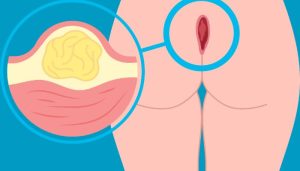
How Pilonidal Sinus Laser Surgery Works
Depending on the technique and the patient’s condition, the procedure may involve:
- Identifying and accessing the sinus tract through a small opening
- Introducing a laser fibre into the tract
- Applying controlled laser energy to the sinus lining
- Removing or treating sinus openings when clinically necessary
- Allowing the treated area to heal after the procedure
The type of anesthesia and the specific surgical steps depend on the extent of the disease and the planned procedure.
Recovery After Laser Treatment for Pilonidal Sinus
A potential advantage of minimally invasive treatment is that it can involve a smaller treatment area than some excisional procedures. This may make postoperative wound management and return to normal activities more manageable for selected patients.
However, recovery varies according to the extent of the sinus, the procedure performed, wound healing and individual factors.
Published studies have reported relatively short recovery periods following SiLaC in selected patient groups, but the reported results vary considerably between studies. One multicenter study, for example, found substantial variation in wound closure and recurrence following laser treatment.
Open Pilonidal Surgery and Flap Procedures
Open surgery involves removing or opening the affected sinus and managing the resulting wound according to the selected surgical technique.
Several approaches can be used, including excision with healing by secondary intention and off-midline flap procedures such as the Karydakis or Limberg flap.
Excision With Open Healing
With this approach, affected tissue is removed and the wound is left to heal gradually from the base.
This can involve a longer period of wound care than some minimally invasive techniques. The decision to use this approach depends on the disease pattern, the surgeon’s assessment and the patient’s circumstances.
Excision With Flap Repair
Flap procedures involve excision of diseased tissue followed by reconstruction of the area using local tissue.
Karydakis and Limberg flaps are examples of off-midline procedures used in pilonidal disease. Evidence from systematic reviews supports the role of off-midline flap procedures in selected patients, particularly when more extensive or recurrent disease requires an excisional approach.
Open vs Laser Pilonidal Surgery: Key Differences
There is no single procedure that is appropriate for every case. Instead of presenting laser and open surgery as competing treatments with universally predictable results, it is more accurate to compare the characteristics of each approach.
Extent of Tissue Removal
Laser treatment is designed to treat the sinus tract from within and generally involves limited access to the affected area. Excisional surgery involves removing the sinus and surrounding affected tissue. The extent of excision depends on the disease.
Wound Management
Minimally invasive procedures may result in smaller treatment sites, while excisional procedures can produce a larger wound requiring more extensive postoperative care.
The actual wound and dressing requirements depend on the technique used.

Recovery
Recovery after laser treatment may be relatively short in appropriately selected cases. Excisional and flap procedures can require more postoperative wound care and activity modification. There is no single recovery timeline that applies to every patient.
Recurrence
Recurrence remains possible after pilonidal sinus treatment regardless of the technique used.
Current evidence shows that recurrence varies between procedures and studies, and laser treatment should not be presented as having either a universally high or universally low recurrence rate. For example, a systematic review of laser treatment found that evidence remains heterogeneous and that longer-term comparative evidence is still needed.
Suitability
Laser treatment may be considered when the anatomy and extent of disease are appropriate for a minimally invasive approach.
Flap-based procedures may be considered when disease is more extensive, persistent or recurrent, or when reconstruction of the natal cleft is clinically appropriate.
Even recurrent disease does not automatically exclude minimally invasive treatment. A recent systematic review found that laser ablation has been studied in recurrent disease, although the authors noted limitations in the available evidence and the need for longer-term studies.
Minimally Invasive Pilonidal Treatment: Options Beyond Laser
Minimally invasive pilonidal treatment is not limited to laser procedures.
Depending on the patient’s condition and the surgeon’s expertise, other approaches may include:
- Endoscopic Pilonidal Sinus Treatment (EPSiT): uses endoscopic visualization to identify and treat the sinus tract.
- Video-Assisted Ablation of Pilonidal Sinus (VAAPS): uses video assistance during minimally invasive treatment.
- Pit-picking procedures: target the sinus openings through limited incisions in selected cases.
These techniques aim to reduce the extent of tissue disruption, but they are not interchangeable and are not suitable for every presentation.
The American Society of Colon and Rectal Surgeons notes that minimally invasive endoscopic or video-assisted approaches may be used for acute and chronic pilonidal disease, although appropriate equipment and specialist expertise are required.
Choosing the Right Pilonidal Sinus Treatment for Your Case
The choice between laser, minimally invasive treatment, excision or flap surgery should follow a clinical assessment.
Your surgeon may consider:
- The number and location of sinus openings
- The extent and complexity of the sinus tracts
- Whether an abscess or active infection is present
- Previous procedures and recurrence
- Scar tissue from earlier surgery
- The condition of the surrounding skin
- Your general health and suitability for anesthesia
- Your recovery requirements and preferences
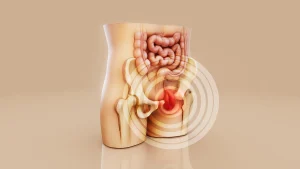
No single factor should be used in isolation to determine the pilonidal sinus treatment.
For recurrent disease in particular, previous surgery and scar tissue can affect the available treatment options.
Recent evidence also suggests that laser treatment can be considered in selected recurrent cases, but its long-term effectiveness requires further evaluation.
At Dr. Daniel Serralta’s practice, the treatment approach can be selected after assessment of the individual pilonidal sinus and the patient’s clinical circumstances.
Get an Assessment for Pilonidal Sinus Treatment
If you have persistent pain, swelling, discharge or recurrent inflammation around the natal cleft, a clinical assessment can help determine whether treatment is required and which options may be appropriate.
Laser treatment for pilonidal sinus may be considered in selected cases, while excisional or flap procedures may be more appropriate in other presentations.
The important step is to understand the nature of the disease and discuss the available treatment options with a qualified surgeon.
Conclusion
Laser treatment for pilonidal sinus is a minimally invasive option that may be appropriate for selected patients. It is designed to treat the sinus tract while limiting the extent of tissue removal.
Open and flap-based procedures remain important options, particularly when the disease requires excision or reconstruction. However, neither laser nor open surgery should be presented as universally suitable or superior.
The appropriate treatment depends on the extent and characteristics of the pilonidal sinus, previous treatment, recurrence, infection and the patient’s individual circumstances. A clinical assessment can help determine which approach is appropriate.
Schedule your consultation today and get the clarity you need to move forward with confidence.
Frequently Asked Questions
1. Is laser treatment for pilonidal sinus permanent?
Laser treatment can successfully treat pilonidal sinus disease in selected patients, but recurrence or incomplete healing can occur. The long-term result depends on the disease characteristics, technique used and individual healing.
2. Is pilonidal sinus laser surgery less painful than open surgery?
Minimally invasive laser procedures may involve less extensive tissue disruption than excisional surgery, which can influence postoperative discomfort. However, pain varies between patients and procedures, so it is not appropriate to describe laser surgery as universally painless.
3. How long does recovery take after laser treatment for pilonidal sinus?
Recovery varies depending on the procedure, extent of disease and individual healing. Some studies report relatively rapid return to normal activities after laser treatment, but these findings should not be treated as a guaranteed recovery timeline.
4. Can minimally invasive pilonidal treatment be used for recurrent disease?
It can be considered in selected recurrent cases. However, previous surgery, scar tissue and the complexity of the sinus can affect treatment selection. Laser treatment has been studied in recurrent disease, although further long-term evidence is needed.
5. Is open or laser pilonidal surgery covered by insurance?
Insurance coverage depends on the patient’s policy, insurer and clinical circumstances. Patients should confirm coverage and any pre-authorisation requirements with their insurance provider before treatment.
6. When may laser treatment not be appropriate?
Laser treatment may not be suitable when the anatomy, extent or complexity of the disease makes another procedure more appropriate. Active infection, extensive disease, significant scarring or previous surgery may influence the treatment decision. A surgeon should assess the individual case before recommending a technique.