
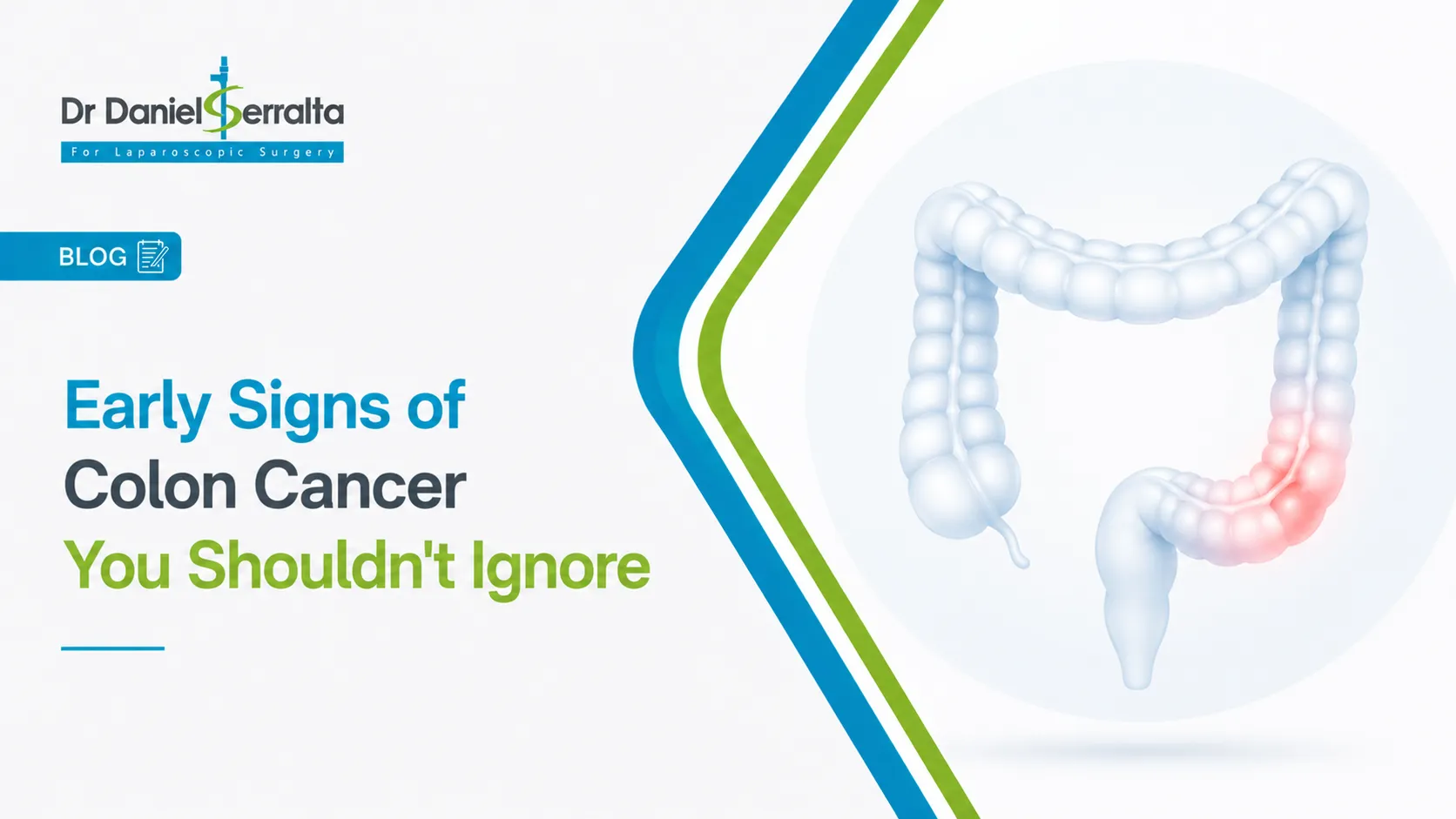
Colon cancer is the third most commonly diagnosed cancer in the United States and one of the most preventable. The challenge is that many people do not act on early warning signs because the symptoms seem minor or easy to explain away. Recognizing the early signs of colon cancer may lead to the improvement of your long-term health. Caught early, colon cancer is highly treatable. Caught late, it is far more difficult to manage. This guide covers the key symptoms to know and when to take action.
Early Signs of Colon Cancer: The Subtle Signals That Matter
One of the most dangerous things about colon cancer is how quietly it can develop. In the early stages, there may be no pain at all. Symptoms are often mild, intermittent, and easy to attribute to something less serious. That is precisely why so many cases are caught late.
Some patients were later diagnosed with colorectal cancer. Knowing the early signs of colon cancer and taking them seriously is what changes outcomes.
Colon Cancer Symptoms: A Complete Breakdown
The colon cancer symptoms listed below are not always caused by cancer. Many have less serious explanations. But when they persist, worsen, or occur together, they deserve prompt medical evaluation. Never self-diagnose and never assume.
Blood in the Stool or Rectal Bleeding
This is one of the most well-known bowel cancer warning signs and one of the most commonly ignored. Blood in the stool may appear bright red, dark, or cause the stool to look black and tarry. Some patients notice blood on the toilet paper or in the toilet bowl. Many assume it is hemorrhoids. While hemorrhoids are common and can bleed, rectal bleeding should never be assumed benign without evaluation. Any unexplained rectal bleeding warrants a colonoscopy.
Persistent Changes in Bowel Habits
A sudden change in how often you go, what your stools look like, or how you feel during a bowel movement is a significant colorectal cancer symptom to flag. This includes persistent diarrhea, constipation, or a feeling that your bowel never fully empties even after going. When these changes last more than four weeks without a clear cause, they need investigation.
Persistent Abdominal Pain or Cramping
Ongoing abdominal discomfort including cramping, gas, or a sense of fullness that does not resolve can be among the early signs of colon cancer, particularly in the lower abdomen. This is different from the occasional stomach upset everyone experiences. Persistent pain that keeps returning, even mildly, should not be dismissed.
Unexplained Weight Loss
Losing weight without trying is a red flag that should never be ignored. Cancer cells consume energy and can alter metabolism in ways that cause unintended weight loss. When this occurs alongside other colon cancer symptoms, it raises serious concern and requires immediate medical attention.
Unexplained Fatigue and Weakness
Chronic fatigue that is not explained by sleep deprivation, stress, or other known causes can be linked to internal blood loss from a tumor. This type of blood loss often occurs slowly and without visible bleeding, leading to iron-deficiency anemia. Patients may feel persistently tired, short of breath, or unusually weak. A simple blood test revealing low hemoglobin can be a critical clue.
Narrow or Pencil-Thin Stools
A tumor in the colon or rectum can partially obstruct the passage of stool, causing it to become narrow or ribbon-like. This is one of the bowel cancer warning signs that is often overlooked simply because most people do not pay attention to stool shape. If your stools have consistently changed in shape or size, that is worth discussing with a specialist.
Risk Factors That Increase Your Chance of Colorectal Cancer
Understanding your personal risk helps you decide when to start screening. Some people need to begin earlier than the general population. The key risk factors for colorectal cancer symptoms developing include:
- Age 45 or older, risk increases significantly after this point
- Personal or family history of colon cancer or colorectal polyps
- Inflammatory bowel disease, including Crohn’s disease or ulcerative colitis
- A sedentary lifestyle, obesity, or a diet high in processed and red meat
- Smoking and heavy alcohol use over an extended period
- Type 2 diabetes, which has been linked to increased colorectal cancer risk
Screening Is A Needed Tool for Early Detection
The American Cancer Society recommends that average-risk adults begin colorectal cancer screening at age 45. Most European countries do recommend to start at age 50. However, those with a family history or other risk factors may need to start earlier. Nevertheless, the progressive reduction in age of diagnosis for colon and rectal cancer happening in the last decades, together with the non-invasive screening tests, may push this to younger ages in the future. I personally do recommend starting at age 40.
For many years colonoscopy has been considered, as it allows a physician to visualize the entire colon, identify polyps, and remove them before they become cancerous. But more recently, non invasive stool tests like Fecal Occult Blood Test (FOBT) have proven to be easier, cheaper and better for large populations. Its a good way to filter who should go for a colonoscopy!!.
Do not wait for early signs of colon cancer to appear before scheduling a screening. Many colorectal cancers develop from polyps that cause no symptoms at all. Screening finds these polyps early and removing them is prevention, not just detection.
Do Not Wait — Early Evaluation Saves Lives
If you have noticed any of the colon cancer symptoms described in this guide or if you are at higher risk and have not yet had a screening now is the time to act. It is not an overreaction to get checked. It is something you can do for your long-term health benefits.
At my clinic, I provide thorough colorectal evaluations, colonoscopy and surgical care for patients across Dubai. When you come in for a consultation, you can expect:
- A comprehensive clinical assessment and review of your symptoms and history
- FOBT, Colonoscopy and diagnostic imaging when clinically indicated
- Clear, honest communication about your results and next steps
- A personalised management plan if further treatment is needed
Conclusion
The early signs of colon cancer are real, recognizable, and actionable. Rectal bleeding, bowel habit changes, unexplained weight loss, fatigue, and persistent abdominal pain are all bowel cancer warning signs that deserve a professional evaluation, not a wait-and-see approach. The difference between stage one and stage four colon cancer is often just time. Colorectal cancer symptoms caught early mean better treatment, better outcomes, and a far greater chance of healing. Do not ignore what your body is telling you.
Frequently Asked Questions
Q1. At what age do early signs of colon cancer typically appear?
Colon cancer can occur at any age, but risk rises significantly after 50. Younger adults with a family history or inflammatory bowel disease can develop colorectal cancer symptoms earlier and should discuss screening with a specialist.
Q2. Can colon cancer be present with no symptoms at all?
Yes. Early-stage colon cancer often causes no symptoms. This is why routine screening colonoscopy is so important, it detects cancer and precancerous polyps before any bowel cancer warning signs appear.
Q3. Is rectal bleeding always a colon cancer symptom?
Not always. Hemorrhoids and anal fissures are common, less serious causes of rectal bleeding. However, any unexplained rectal bleeding should be evaluated by a specialist to rule out colorectal cancer symptoms.
Q4. How is colon cancer diagnosed after symptoms appear?
Colonoscopy is the primary diagnostic tool. It allows direct visualization of the colon, biopsy of suspicious areas, and removal of polyps. Blood tests, CT scans, and MRI may also be used depending on the clinical picture.
Q5. Are colon cancer symptoms different in men and women?
The core early signs of colon cancer are similar in both sexes. However, women sometimes attribute abdominal cramping and bloating to gynecological causes, which can delay diagnosis. Both men and women should take persistent symptoms seriously.
Q6. Can lifestyle changes reduce the risk of colorectal cancer?
Yes. A high-fiber diet, regular physical activity, maintaining a healthy weight, limiting alcohol, and avoiding smoking all meaningfully reduce colorectal cancer risk. Routine screening remains essential regardless of lifestyle. Learn more about What are the Main Foods Related to Colon Cancer?