How Obesity Increases Risk of Hernia and Colorectal Disease
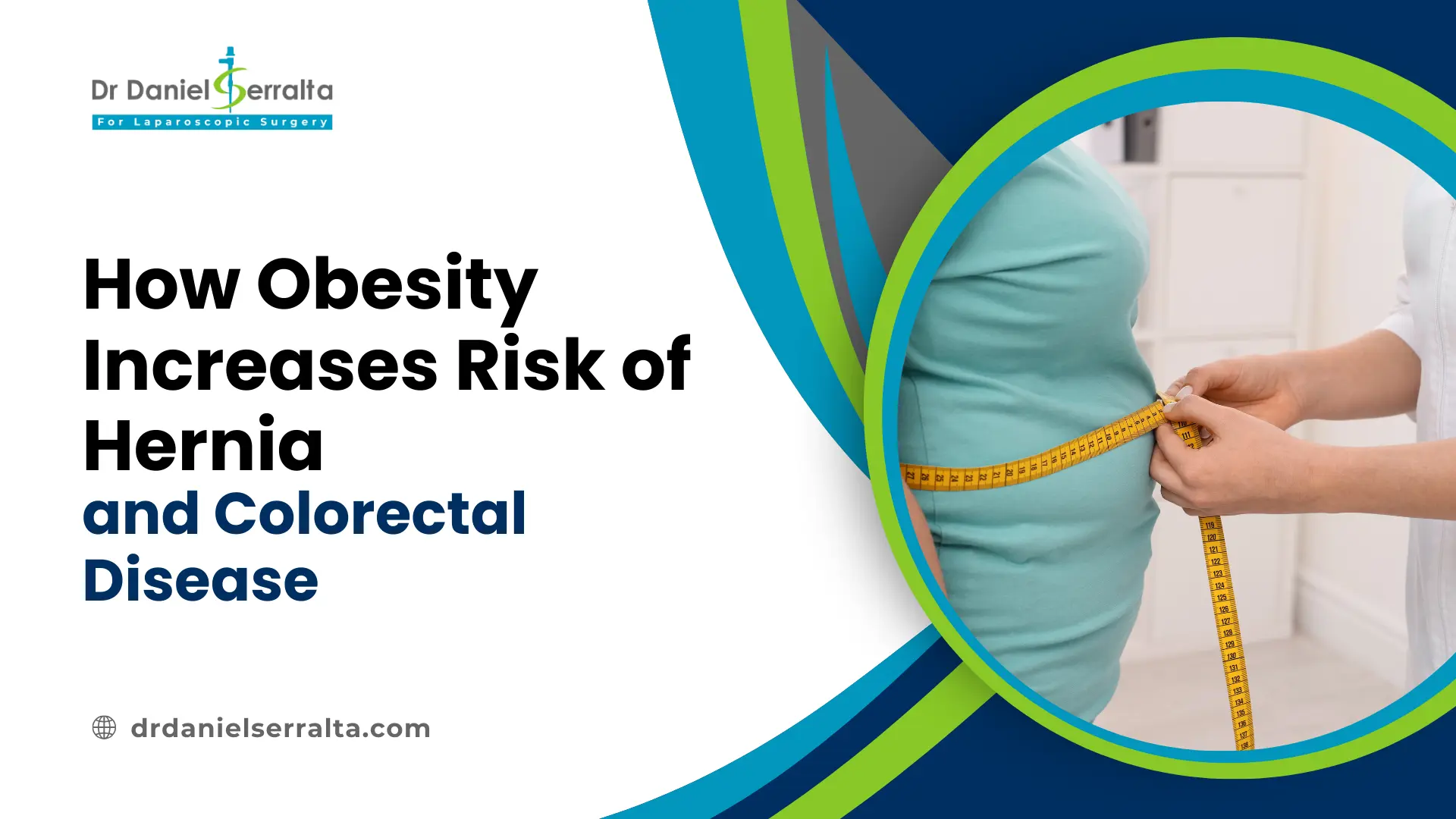
Many individuals fail to understand the significant impact that weight has on surgical and digestive health. In my practice, I have witnessed firsthand that obesity causes hernia and its impact on subsequent risk of serious colorectal disease. Weight has a profound effect on abdominal pressure, strength and bowel health.
The fact that obesity causes hernia and other colorectal disease is an important issue to consider. It allows patients to take preventative measures.
Obesity Causes Hernia More Frequently Than You Think
The abdominal wall is designed to hold organs securely in place. However, when excess fat accumulates inside the abdomen, internal pressure rises continuously. This constant pressure weakens muscles and connective tissue.
This is the primary reason obesity causes hernia.
Over time:
- The abdominal wall stretches
- Natural weak spots enlarge
- Surgical scars become vulnerable
- Muscle strength reduces
This explains the strong link between Obesity and Hernia Risk.
Obesity and Hernia Risk: What Happens Inside the Body
When a person becomes too overweight, the fat accumulates both under the skin and around the internal organs. This raises the intra-abdominal pressure.
Consequently:
- Umbilical hernias are more frequent
- Incisional hernias occur after surgery
- Inguinal hernias progress faster
- The rate of recurrence is higher
This mechanical stress is one of the fundamental reasons why obesity causes hernia and its impact on the hernia progression in obese patients.
Obesity also influences tissue healing. The impaired blood supply and chronic inflammation reduce the strength of healing and increases the chances for wound infection. This is why obese patients have more complications following the occurrence of a hernia.
Why Obesity Leads to Higher Hernia Recurrence
Even after repair, hernias can return. The reason is simple. If excess pressure remains, the repaired area continues to experience strain.
Patients with obesity face:
- Increased wound tension
- Delayed healing
- Higher infection rates
- Greater recurrence risk
In my surgical experience, managing weight alongside proper repair significantly improves long-term outcomes.
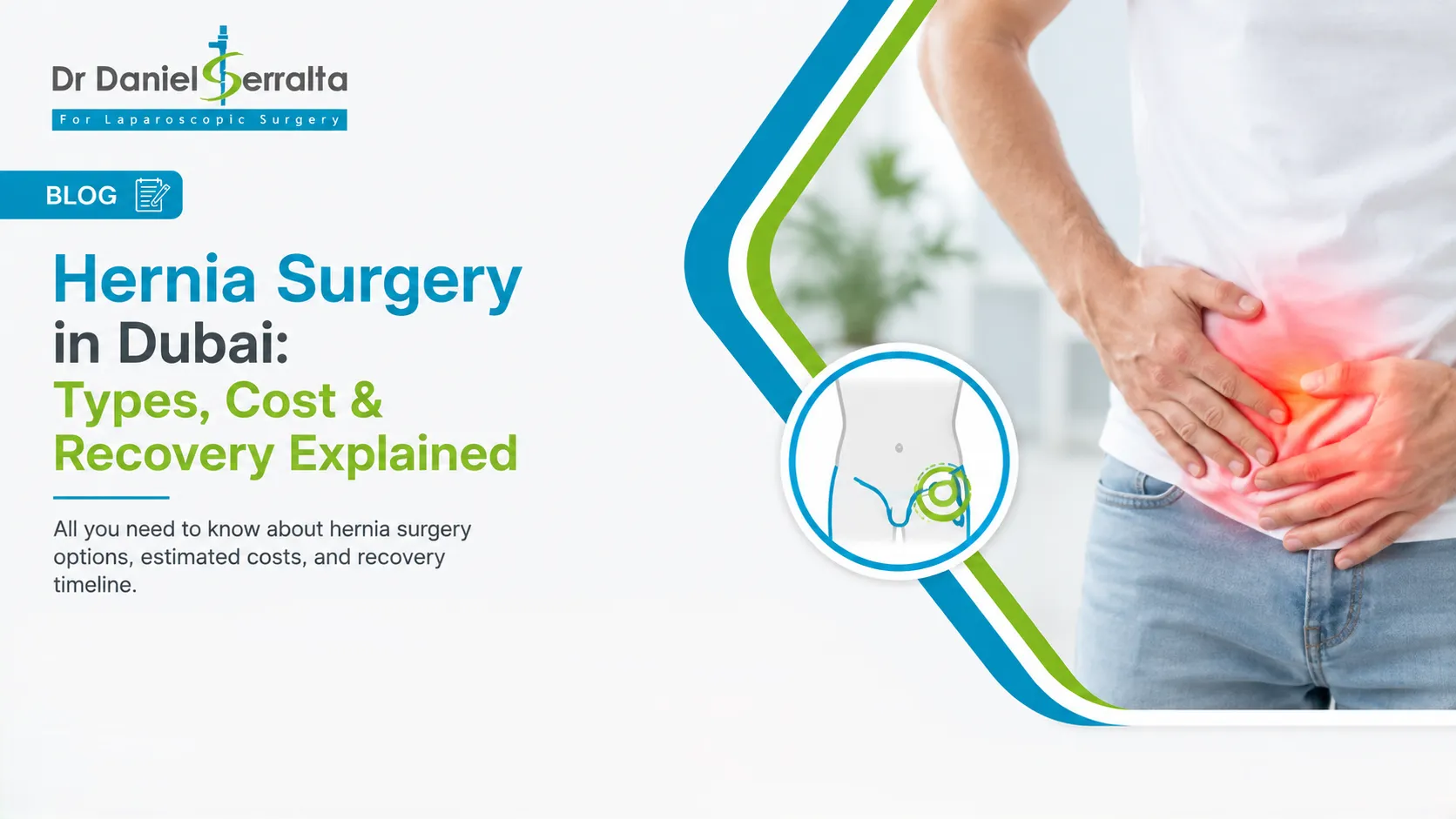
Patients considering Hernia Surgery in Dubai benefit from a comprehensive evaluation that includes weight management guidance.
The Hidden Link Between Obesity and Colorectal Cancer
Weight is not just a factor in the abdominal wall. It also affects colon health. There is a clear link between Obesity and Colorectal Cancer.
But how does obesity lead to colon cancer? Fat tissue produces inflammatory substances and hormones that promote abnormal cell growth. This leads to abnormal cell changes in the colon. This is why obesity and colon cancer are so closely linked.
How Obesity Affects the Colon Directly
Obesity influences colon health in several ways:
- Increased insulin levels promote cell growth
- Chronic inflammation damages healthy tissue
- Altered gut bacteria affect bowel function
- Reduced physical activity slows digestion
All these factors together explain the relationship between Obesity and Colorectal Cancer.
As a specialist, I always stress that early screening is essential, especially for overweight individuals.
Symptoms Obese Patients Should Never Ignore
Certain warning signs require immediate medical evaluation.
These include:
- Persistent abdominal pain
- Blood in stool
- Unexplained weight loss
- Chronic constipation
- A visible abdominal bulge
Ignoring these symptoms can delay the diagnosis of a hernia or colorectal disease.
Early consultation with a qualified Colorectal Doctor in Dubai allows accurate diagnosis and timely treatment.
Managing Obesity to Reduce Hernia and Colorectal Risk
Prevention is always better than a cure. While genetics play a role, lifestyle factors are powerful.
Practical steps include:
- Gradual weight reduction
- Balanced diet rich in fibre
- Regular physical activity
- Early medical screening
- Timely surgical consultation when needed
Weight control reduces abdominal pressure and lowers inflammation levels. This directly reduces the chance that obesity causes hernia and contributes to reduce the risk of colorectal disease.
When Surgery Becomes Necessary
In some cases, simple lifestyle changes may not be sufficient. Large hernias or proven cases of colorectal disease need surgical intervention.
Contemporary Hernia Surgery in Dubai employs the latest methods to regain abdominal strength. Likewise, early intervention in colorectal disease leads to better outcomes.
Selecting a skilled Colorectal Doctor in Dubai provides accurate diagnosis, sophisticated surgical planning, and improved post-surgical recovery.
Protect Your Health Before Complications Develop
If you are overweight and experiencing abdominal discomfort, digestive changes, or a visible bulge, do not ignore it. Since obesity causes hernia and increases colorectal risk, early evaluation is essential. I provide advanced assessment and treatment options, including expert Hernia Surgery in Dubai and comprehensive colorectal care. Consulting a trusted Colorectal Doctor in Dubai ensures accurate diagnosis and long-term health protection.
Conclusion
The evidence is clear. Obesity causes hernia due to the rise in abdominal pressure and a decrease in muscle strength. On the other hand, Obesity and Colorectal Cancer are closely linked through inflammation and metabolic dysfunctions. Early interventions can prevent complications, ensure better surgical results, and safeguard digestive health.
Lifestyle modifications and professional medical advice can work wonders.
Frequently Asked Questions
1. Why do obese patients have higher hernia recurrence rates?
Excess abdominal pressure and poor tissue healing increase recurrence risk after repair.
2. Is surgery riskier for obese hernia patients?
Obesity can increase surgical risks, but proper evaluation and advanced techniques improve safety.
3. How does obesity cause colorectal cancer?
Obesity increases inflammation, insulin levels, and abnormal cell growth, raising colorectal cancer risk.
4. Does weight loss reduce hernia risk?
Yes. Reducing abdominal pressure lowers the chance that obesity causes hernia progression.
5. When should I see a colorectal specialist?
If you notice bleeding, pain, or bowel changes, consult a Colorectal Doctor in Dubai promptly.
6. Is hernia surgery effective for obese patients?
Yes. Advanced Hernia Surgery in Dubai provides strong, durable repair when performed by an experienced specialist.