
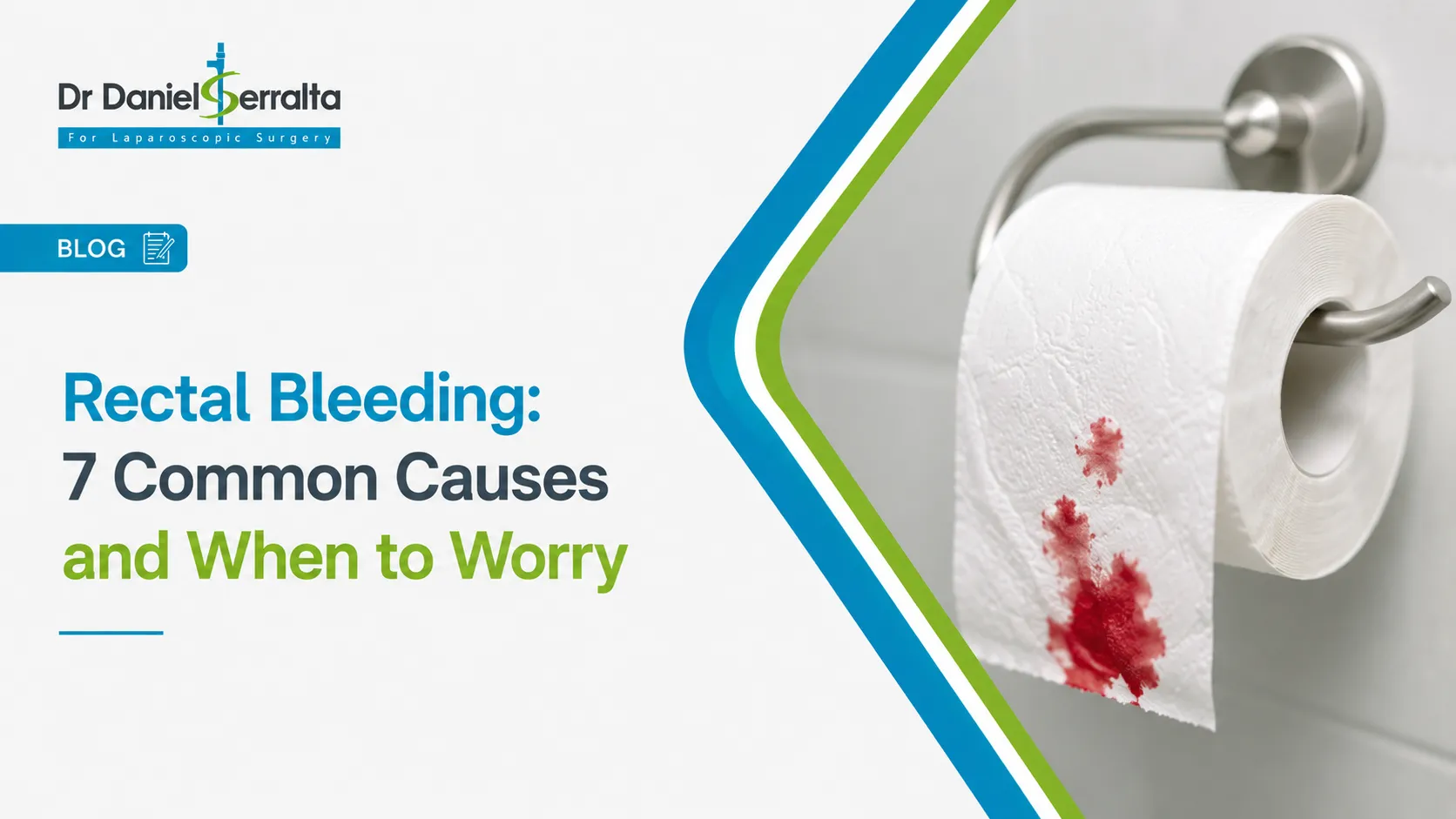
Noticing blood in your stool or on your toilet paper can be an alarming experience. As a specialist in colorectal health, I understand how unsettling this symptom can be for my patients. While seeing blood in the toilet requires close attention, many of the underlying issues are highly treatable and benign.
When evaluating potential rectal bleeding causes, the specific color, frequency, and accompanying symptoms give us vital clues about what is happening inside your digestive tract. Understanding the typical origins of this issue helps you determine when to monitor your symptoms and when it is time to seek professional medical evaluation.
Understanding the Primary Causes of Rectal Bleeding
When patients note a bleeding from bottom, the source usually resides in the lower gastrointestinal tract. Identifying the exact root condition allows us to craft a precise, effective recovery plan.
Here are the common reasons why you might notice blood during or after a bowel movement:
1. Hemorrhoids
Hemorrhoids are swollen, inflamed veins located in your lower rectum or anus. They can develop internally or externally, often due to straining during bowel movements, chronic constipation, or pregnancy. This is frequently the culprit behind bright red blood coating the outside of your stool or appearing on your wiping tissue.
2. Anal Fissures
An anal fissure is a small, distinct tear in the lining of the anal canal. These tears usually happen when you pass hard or large stools. If you experience sharp, tearing pain during a bowel movement followed by bright red blood, a fissure is a highly probable cause.
3. Diverticulosis
Diverticula are small, bulging pouches that can form in the walls of your intestines, exactly at the same spot where the small vessels enter the wall to irrigate it. These small blood vessels inside them can rupture. This often leads to a sudden, painless passage of a larger amount of dark or bright red blood in stool.
4. Inflammatory Bowel Disease (IBD)
Conditions like ulcerative colitis and Crohn’s disease involve long-term inflammation of the digestive tract lining. This ongoing irritation frequently causes recurrent bleeding from bottom, typically accompanied by persistent diarrhea, abdominal cramping, weight loss, and fatigue.
5. Proctitis
Proctitis refers to the acute or chronic inflammation of the inner lining of the rectum. It can be caused by infections, radiation therapy, or underlying digestive conditions. This irritation frequently leads to continuous rectal bleeding, a constant feeling of needing to have a bowel movement, and localized pain.
6. Colon Polyps and Colorectal Cancer
Polyps are benign growths on the inner wall of the colon or rectum. While most polyps are non-cancerous, certain types can slowly develop into colorectal malignancies over time. Both polyps and tumors can bleed silently, changing the color of your stool or causing unexplainable dark red streaks.
7. Gastrointestinal Infections
Bacterial or viral infections of the gut can lead to severe inflammation of the intestinal lining. This irritation can result in sudden, noticeable blood in stool, which is almost always accompanied by a fever, stomach cramping, nausea, and severe diarrhea.
Analyzing Your Symptoms and Knowing When to Worry
Determining the exact causes of rectal bleeding requires a balance of observation and medical expertise. Mild, occasional spotting from a small fissure or an external hemorrhoid might improve with dietary adjustments, such as increasing your daily fiber and fluid intake to soften your stool.
However, ignoring persistent changes in your bowel habits can delay the diagnosis of more complex conditions. You should schedule a comprehensive medical evaluation if your bleeding continues for more than a few days, or if it is a recurring issue.
Critical Warning Signs: Seek emergency medical care immediately if your rectal bleeding is heavy, continuous, or accompanied by dizziness, confusion, fainting, or severe abdominal pain. Dark, tarry, or black stools also indicate that bleeding may be occurring higher up in your digestive tract, requiring prompt diagnostic testing.
At the clinic of Dr. Daniel Serralta, we prioritize patient comfort, accurate diagnostics, and advanced, minimally invasive treatments for all colorectal concerns. Early evaluation helps eliminate the guesswork, giving you clear answers regarding your health related concerns.
Contact Today for Advanced Medical Solutions for Long-Term Relief
If conservative treatments like stool softeners, high-fiber diets, and warm sitz baths fail to resolve your symptoms, specialized medical intervention becomes necessary. Modern proctology offers highly effective, low-downtime options to address the underlying issues securely.
Our specialized care at clinic includes advanced options such as laser treatments for hemorrhoids and chronic fissures. These techniques ensure faster healing times and a swift return to your daily routine, helping you regain your quality of life without prolonged recovery periods.
Schedule your consultation with Dr. Daniel Serralta.
Conclusion
Noticing signs of rectal bleeding is a clear signal from your body that something requires attention. While common issues like hemorrhoids or minor fissures are often the source, ruling out more complex gastrointestinal conditions is an essential step for your long-term health. Prioritizing an early, accurate medical assessment ensures you receive the right care quickly and keeps small issues from turning into major health hurdles.
If you are experiencing persistent symptoms or want a professional evaluation, do not let discomfort or worry delay your care. Contact the team today to schedule your consultation and take the first step towards a better health.
Frequently Asked Questions
What are the most common rectal bleeding causes?
The most frequent causes include hemorrhoids, anal fissures and colon polyps. A professional examination is necessary to confirm the exact source.
Why do I see bright red blood in stool?
Bright red blood typically indicates that the bleeding source is low in the rectum or anus, commonly caused by hemorrhoids or small anal tears.
When should I see a doctor for bleeding from bottom?
You should see a doctor if the bleeding is persistent, changes your bowel habits, or is accompanied by unexplained weight loss, fatigue, or abdominal pain.
Can stress cause blood in stool?
Stress does not directly cause bleeding, but it can worsen conditions like irritable bowel syndrome or cause constipation or diarrhea, leading to painful straining and hemorrhoids.
How do specialists diagnose the causes of rectal bleeding?
Specialists utilize targeted physical exams, anoscopies, sigmoidoscopies, or full colonoscopies to clearly view the intestinal lining and pinpoint the exact bleeding location.